




Table of Contents
NAD+ injection benefits are often discussed in wellness clinics and online health spaces, especially by people looking for better energy, mental clarity, or age-related support.
You may see them described as a faster or stronger way to raise NAD levels compared to supplements. At the same time, it is important to understand what the science actually supports.
Most well-designed human studies on NAD benefits focus on oral precursors like NMN and NR, not injections. This article explains what NAD injections are, what benefits people associate with them, and what current research really shows.
Key Takeaways:
-
NAD injections are used in wellness settings, but strong clinical evidence in humans is limited.
-
Most proven NAD benefits come from oral precursors like NMN and NR, not injections.
-
Research suggests NAD molecules do not easily enter cells when delivered by injection or IV.
-
Expectations should stay cautious and aligned with current scientific evidence.
Disclaimer: This content is for educational purposes only and is not medical advice. Always consult a qualified healthcare professional before starting any injection, supplement, or wellness therapy.

NMN + RESVERATROL
Cellular NAD+ booster with ultra‑pure NMN and Resveratrol, at research‑backed doses.*
What Are NAD+ Injections?
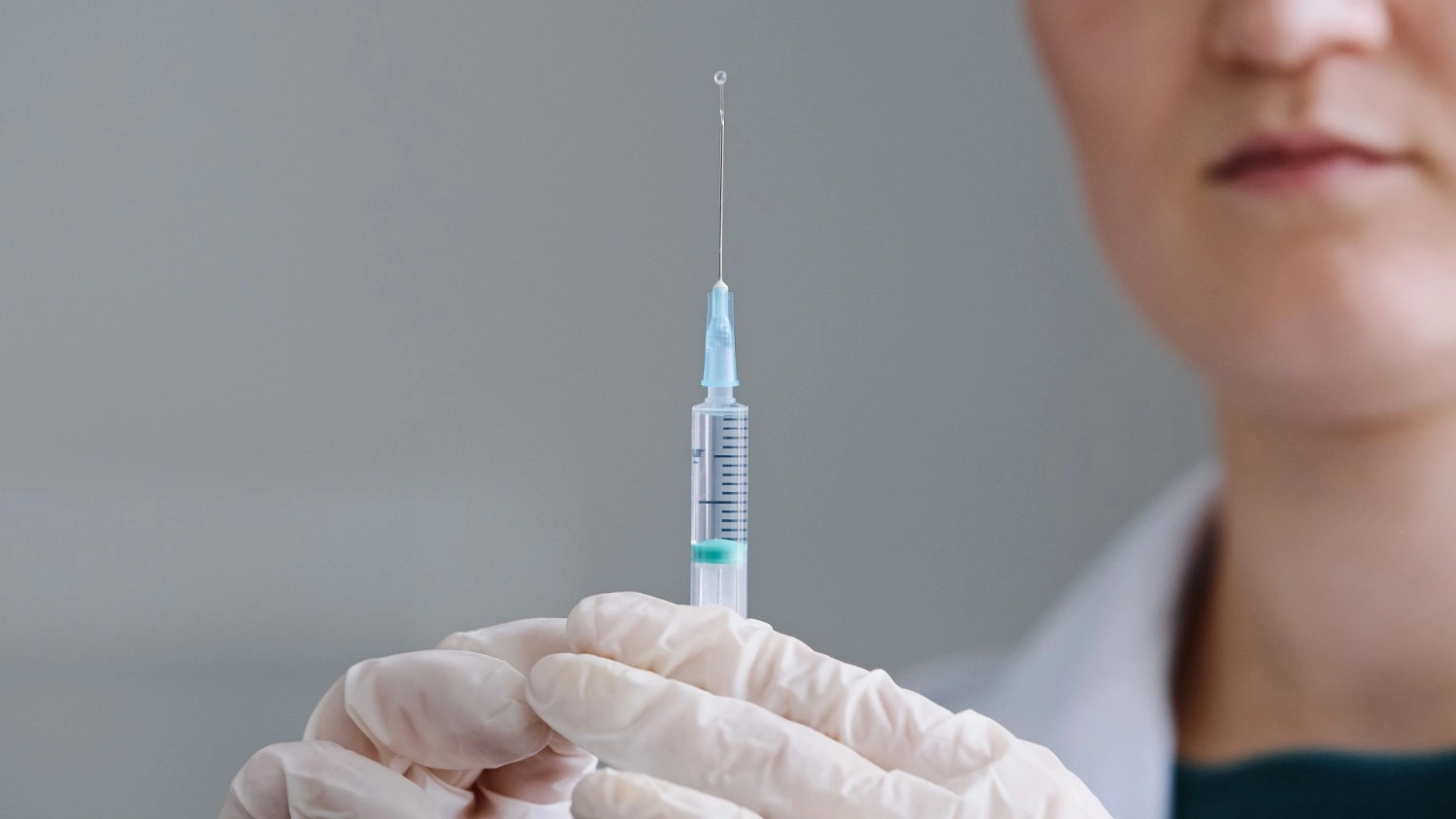 NAD+ injections are a wellness treatment that delivers nicotinamide adenine dinucleotide directly into the body through an intramuscular or subcutaneous injection. They are used with the goal of raising NAD levels, which play a role in cellular energy and repair.
In practice, NAD injections are usually given in smaller doses than IV therapy and take only a few minutes to administer.
Some clinics allow trained patients to self-administer at home under guidance. This makes injections more convenient and less expensive than long IV sessions.
It is important to note that while injections raise NAD levels in the bloodstream, research suggests that NAD molecules are large and do not easily enter cells (1).
This limits how much injected NAD may directly affect energy production, brain function, or aging processes inside cells.
Types of NAD+ Injections
NAD+ injections are typically given using two main methods. Each route delivers NAD into the body in a slightly different way, with differences in comfort, absorption speed, and practical use.
Subcutaneous Injection (SubQ)
Subcutaneous injections place NAD into the fatty tissue just beneath the skin. This method is often chosen for comfort and ease, especially for people who are trained to self-administer at home.
Injection site is usually the abdomen, thigh, or upper arm
Uses a short, thin needle, often 25 to 27 gauge
Absorption tends to be slower and more gradual over several hours
Generally causes less soreness at the injection site
Often considered easier for regular or ongoing use
Intramuscular Injection (IM)
Intramuscular injections deliver NAD directly into muscle tissue. This route is sometimes used when a faster rise in blood NAD levels is desired.
Injection site is commonly the thigh, glute, or shoulder muscle
Requires a longer needle inserted at a deeper angle
Absorption is typically faster, with effects reported within one to two hours
May cause more post injection soreness or stiffness
Usually administered in clinical settings or with professional guidance
Both SubQ and IM injections bypass digestion and place NAD directly into circulation. However, clinical research directly comparing these two routes for NAD+ injections is limited, and neither method has strong human trial data showing clear superiority.
What Are the Benefits of NAD+ Injections?
 Before reviewing the potential benefits, it helps to set the right context. The majority of human research on NAD focuses on oral NAD precursors such as NMN and NR. These compounds are smaller, can be absorbed through the gut, and are converted into NAD inside cells.
There are very few clinical trials that specifically study NAD injections in humans. As a result, the benefits discussed below are largely based on oral supplementation studies, animal research, and limited clinical observations.
NAD injections are used in wellness settings, but strong human evidence remains limited.
1. Increased Energy and Cellular Function
NAD plays a central role in cellular energy production by supporting mitochondrial function and ATP generation. When NAD levels decline, cells may produce energy less efficiently.
Preclinical studies in mice show that restoring NAD levels can improve mitochondrial health, reverse age-related decline, and improve muscle strength and endurance (2). These findings help explain why energy support is often associated with NAD therapies.
Human trials using oral NR provide clearer evidence. A 12-week randomized study in healthy middle-aged adults found that NR supplementation increased blood NAD levels by up to 60 percent in a dose-dependent manner (3).
In people with chronic fatigue syndrome, a clinical trial using NADH combined with CoQ10 found improvements in cognitive fatigue and quality of life (4).
Researchers suggest that low NAD availability may contribute to impaired cellular energy production in these patients. While these results are encouraging, they cannot be directly attributed to NAD injections.
2. Support in Addiction Recovery Settings
NAD therapy has been used in addiction treatment settings since the early 2000s, particularly in IV form. Some clinics developed protocols using NAD during acute withdrawal from alcohol or opioid dependence.
A small 2022 study involving patients who received NAD infusions reported reductions in craving scores, anxiety, and depression (5).
These findings showed strong statistical significance, though the study size was limited and focused on infusions rather than injections.
Clinicians working in addiction medicine have shared positive short-term observations, especially during early recovery. At the same time, experts stress that NAD therapy should not be used alone.
It works best when combined with medical care, counseling, and long-term support. There is currently no strong evidence showing that NAD injections alone improve long-term recovery outcomes.
3. Brain Health and Mental Clarity
NAD supports neuron health and plays a role in protecting brain cells from metabolic stress. This connection has made NAD a topic of interest in cognitive aging and neurodegenerative research.
Studies using oral NR show that it can raise NAD levels in the blood and reduce certain Alzheimer’s related biomarkers, including amyloid beta and phosphorylated proteins (7).
Research also shows that oral NAD precursors can cross the blood-brain barrier and increase NAD levels inside neurons (8).
A more recent trial in patients with Werner syndrome found that daily oral NR improved arterial stiffness and showed trends toward improved cognitive markers (9).
Researchers and clinicians caution that these findings do not confirm prevention or treatment effects, and more research is needed.
At this time, there is no direct clinical evidence showing that NAD injections improve memory, focus, or brain aging in humans.
4. DNA Repair and Cellular Health
NAD is required for several enzymes involved in DNA repair and cellular maintenance. One key enzyme, PARP1, is responsible for most DNA repair activity and uses large amounts of NAD when fixing damage.
Sirtuins, including SIRT1, SIRT6, and SIRT7, also rely on NAD to support genomic stability and regulate stress responses.
Research published in Nature shows that restoring NAD levels can improve antioxidant capacity and reduce markers of oxidative stress in cells (10).
This repair activity happens constantly as cells respond to environmental stress and normal aging. Maintaining adequate NAD levels appears to support these protective systems.
Most evidence for this benefit comes from cellular studies, animal research, and oral precursor supplementation, not from NAD injections themselves.
What Are the Risks and Side Effects of NAD+ Injections?
NAD+ injections are generally described as well-tolerated in wellness settings, but human safety data are limited. Most information comes from clinical experience and studies on oral NAD precursors rather than injection-specific trials.
In practice, reported side effects tend to be mild, but the lack of long-term human research means uncertainties remain (11). This is why most clinicians recommend cautious dosing and medical supervision.
Commonly reported considerations include:
Injection site discomfort, such as redness, soreness, or mild swelling
Temporary flushing, warmth, or lightheadedness shortly after dosing
Nausea or fatigue in some people, especially at higher doses
Unknown long-term effects due to limited human studies on injections
Risk of overuse when protocols are followed without medical guidance
People with chronic illness, those who are pregnant, or anyone taking prescription medications should speak with a healthcare provider before considering NAD injections.
NMN + RESVERATROL
Cellular NAD+ booster with ultra‑pure NMN and Resveratrol, at research‑backed doses.*
Dosage and Protocols Used in Practice
There is no standardized, research-backed dosage for NAD+ injections. Most protocols used today are adapted from IV therapy practices and oral supplementation studies rather than injection-specific clinical trials.
Clinics and wellness providers adjust dosing based on individual goals, tolerance, and response. These ranges are not medical recommendations and should be viewed as general reference points only.
For subcutaneous use, many protocols start with very small amounts to assess tolerance. Initial doses may be as low as 20 mg, with gradual increases over time. Daily maximums are usually kept conservative to reduce side effects.
Individual needs vary based on age, body size, metabolism, and baseline NAD levels. Working with a qualified healthcare provider helps reduce unnecessary risks.
NAD Injections vs Other Delivery Methods
 Different NAD delivery methods work in different ways. The strength of clinical evidence also varies widely depending on how NAD or its precursors are taken.
NAD Injections vs IV Therapy
IV therapy delivers NAD directly into the bloodstream in higher doses, often around 500 to 1,000 mg per session. Infusions usually last one to four hours and are often used in clinical or recovery-focused settings where rapid delivery is desired.
NAD injections use smaller doses and take only minutes to administer, which makes them more practical and affordable for ongoing use.
Lower peak blood levels may also reduce side effects such as flushing or nausea.
Both methods share a key limitation. Research suggests that NAD molecules are large and do not easily enter cells.
One study found that NAD+ delivered through IV drips is not effectively absorbed at the cellular level, which may limit its ability to support energy, mental clarity, or aging-related processes.
Because of this, higher blood NAD does not always mean higher NAD inside cells, where most benefits occur.
NAD Injections vs Oral Supplements
Oral NAD precursors such as NR and NMN have been studied extensively in human clinical trials. Research consistently shows that oral NAD supplementation raises blood NAD levels in a dose-dependent manner and supports NAD metabolism over time.
Oral precursors work by entering cells first and then being converted into NAD internally. This pathway helps explain why they have stronger clinical evidence for cellular effects compared to injections.
While NAD injections may appeal to people who prefer not to take pills or want an alternative to IV therapy, oral supplements currently have the most reliable human research behind them.
Final Words
NAD injections are used in wellness settings by people looking for support with energy, recovery, or healthy aging. While interest is growing, strong human research on injections is still limited.
Most well-designed studies on NAD benefits focus on oral precursors like NMN and NR, which the body can absorb and convert inside cells more reliably.
Research also suggests that raising NAD in the bloodstream does not always increase NAD inside cells, where most biological effects take place.
At Omre, we focus on approaches that align more closely with current science. Our NMN + Resveratrol formula is designed to support the body’s natural NAD pathways using ingredients that have been studied in human trials.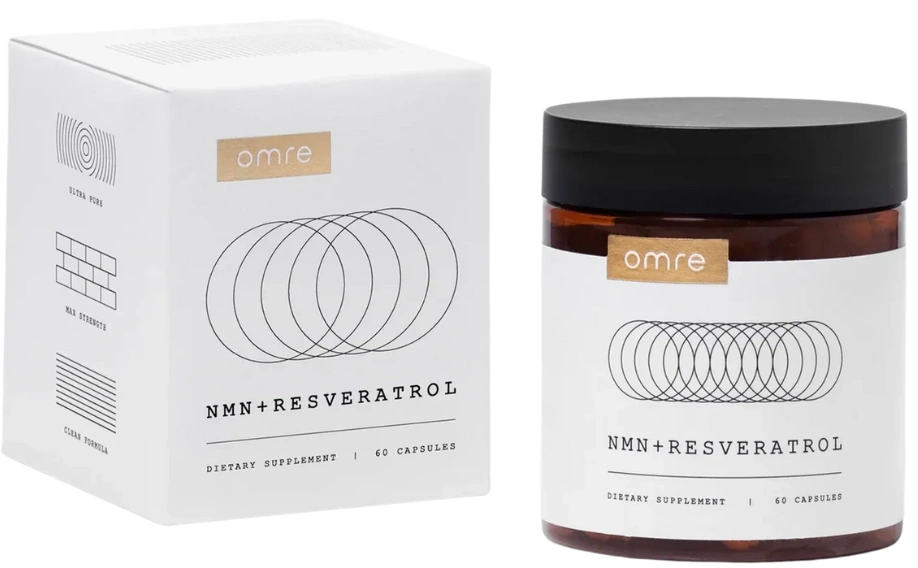 If you are exploring NAD support and want an option backed by clearer research, you can learn more about our NMN + Resveratrol and see if it fits your long-term wellness goals.
FAQs
What are NAD+ injections used for?
NAD+ injections are commonly used in wellness clinics for general support related to energy, recovery, or cellular health. Most reported benefits come from clinical experience rather than large human trials.
Are NAD injections better than oral supplements?
There is no clear evidence that injections work better than oral NAD precursors. In fact, NMN and NR have stronger human research showing they raise NAD levels inside the body.
How long do the effects of NAD injections last?
Reported effects vary from person to person. Some people describe short-term changes, while others notice little difference, which reflects the limited research available.
Are NAD injections safe?
Short-term use is generally described as well-tolerated in supervised settings. Long term safety data in humans is limited, so medical guidance is recommended.
Who should avoid NAD injections?
People who are pregnant, have chronic medical conditions, or take prescription medications should speak with a healthcare provider before considering NAD injections.