




Table of Contents
- What Is NAD+ and Why Injection Dosage Matters
- How Much NAD+ Should You Inject for Different Goals
- NAD+ Injection Dosage Chart
- How Often Should You Inject NAD+
- Best Time of Day to Inject NAD+
- Safety Considerations Before Choosing a Dose
- Why Many People Choose Oral NAD+ Precursors Instead
- Final Words
- FAQs
If you are researching how much NAD+ to inject, you are likely looking for clear, realistic guidance rather than hype. NAD+ injections are often discussed in the context of energy, aging, and recovery, but dosing is not one size fits all.
The right amount depends on your goals, your current health, and whether a medical professional is involved.
This article breaks down common dosage ranges, explains why amount and frequency matter, and helps you understand what is typically discussed in clinical and wellness settings, using a calm, research-based approach.
Quick Answer:
Most people who explore NAD+ injections start with lower doses around 50 to 100 mg per injection, taken a few times per week for general wellness. Higher amounts are sometimes used for specific clinical protocols, but these are usually done under medical supervision. Individual needs can vary, and professional guidance is important.
Disclaimer: This article is for educational purposes only and does not provide medical advice. NAD+ injections should only be considered with guidance from a qualified healthcare professional.

NMN + RESVERATROL
Cellular NAD+ booster with ultra‑pure NMN and Resveratrol, at research‑backed doses.*
What Is NAD+ and Why Injection Dosage Matters
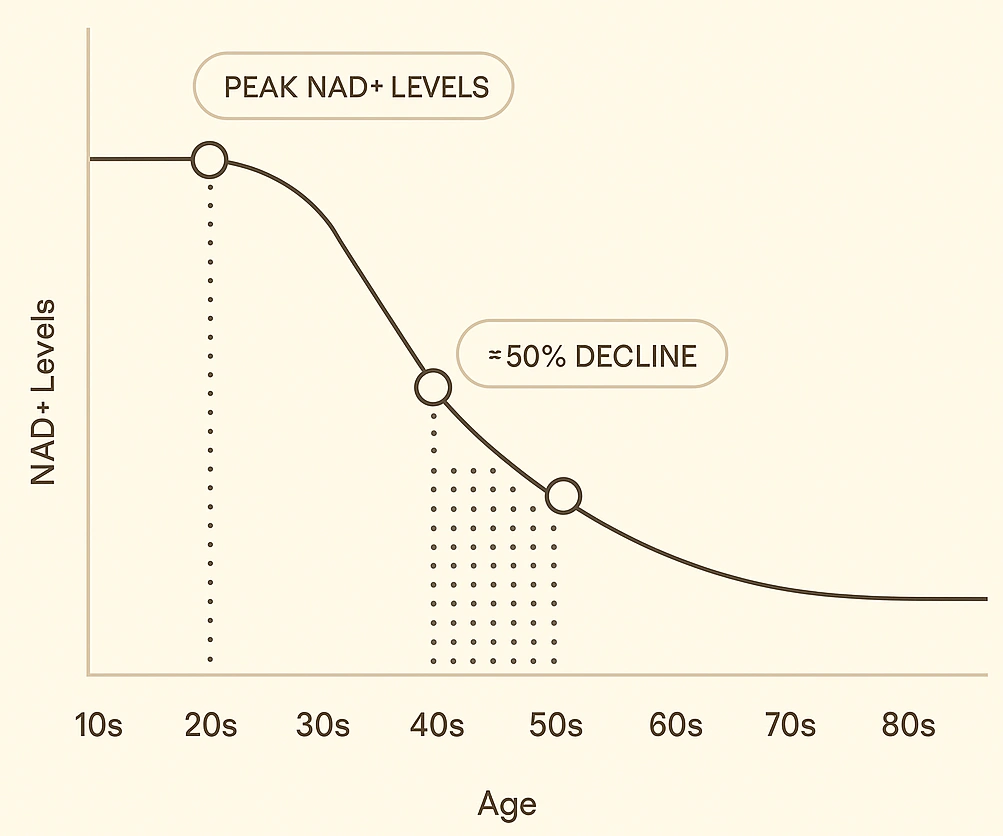 NAD+ is a molecule found in every cell of your body. It plays a key role in how cells turn food into energy and how they manage stress and repair processes. As people age, NAD+ levels tend to decline, which is why interest in NAD+ support has grown.
When NAD+ is injected rather than taken orally, it enters the body more directly. Because of that, dosage becomes especially important.
Taking too little may not feel noticeable, while taking too much too quickly can lead to side effects or unnecessary strain on the body. This is why most protocols start conservatively.
Dosage matters because:
NAD+ affects cellular energy processes, which respond better to gradual changes.
Higher doses place more demand on how the body processes and clears NAD+.
Frequency and dose size work together. Larger doses usually require more spacing.
Individual tolerance can vary based on age, stress, and overall health.
A thoughtful approach focuses on steady support rather than pushing for fast results.
How Much NAD+ Should You Inject for Different Goals
-v1765995000263.webp) There is no single answer to how much NAD+ to inject. Dosage is usually discussed in ranges, based on the reason someone is considering injections.
There is no single answer to how much NAD+ to inject. Dosage is usually discussed in ranges, based on the reason someone is considering injections.
General Wellness and Energy Support
For general wellness, many protocols discussed in wellness clinics start at the lower end.
This often includes smaller doses taken a few times per week rather than daily use. The goal is gentle support for cellular energy without overwhelming the system. This approach is commonly chosen by people exploring NAD+ for overall vitality or age-related energy changes.
Fatigue, Stress, or Recovery Support
For people dealing with higher physical or mental demands, some practitioners discuss moderate doses for short periods.
These doses are usually higher than basic wellness amounts and may be taken more frequently, but not indefinitely. Medical guidance becomes more important here, as individual responses can vary.
This category is often framed around temporary support rather than long-term daily use.
Short Term Loading or Clinical Protocols
Higher dose protocols are sometimes used in clinical or closely supervised settings.
These approaches are typically short-term and designed for specific situations rather than routine wellness. Because higher doses can increase the risk of side effects, they are generally monitored by a qualified healthcare professional.
These protocols are not intended for self-experimentation.
NAD+ Injection Dosage Chart
The chart below shows commonly discussed NAD+ injection dosage ranges based on different goals. These ranges are presented for educational context only and reflect how NAD+ is often used in supervised wellness or clinical settings, not a recommendation for self-use.
*Typically discussed only under close medical supervision.
How Often Should You Inject NAD+
Most people who explore NAD+ injections use them a few times per week rather than every day, especially for general wellness. Lower doses are usually spaced out to give the body time to adapt and respond.
Injection frequency matters because NAD+ supports ongoing cellular processes rather than acting as a quick stimulant. Spacing doses can help maintain steadier support while reducing the chance of side effects.
Short-term daily use is sometimes discussed during loading phases, but this is usually limited to a brief window and guided by a healthcare professional.
For longer-term use, many protocols shift back to weekly or twice-weekly injections to support balance and tolerance.
NMN + RESVERATROL
Cellular NAD+ booster with ultra‑pure NMN and Resveratrol, at research‑backed doses.*
Best Time of Day to Inject NAD+
NAD+ injections are most often discussed as being taken earlier in the day, since NAD+ is involved in cellular energy production and may feel stimulating for some people.
Morning or early daytime use is often preferred because it aligns with natural energy rhythms and may be less likely to interfere with sleep.
Taking NAD+ later in the evening could feel activating for certain individuals.
Consistency also matters. Using NAD+ injections around the same time of day can help people better observe how their body responds and adjust timing with professional guidance if needed.
Safety Considerations Before Choosing a Dose
-v1765995210413.webp) Choosing how much NAD+ to inject should always involve a safety-first mindset. Dose size, frequency, and individual health factors all influence how well the body tolerates NAD+ support.
Choosing how much NAD+ to inject should always involve a safety-first mindset. Dose size, frequency, and individual health factors all influence how well the body tolerates NAD+ support.
Common Side Effects at Higher Doses
Higher doses are more likely to cause temporary side effects, especially when the body is not used to NAD+ injections.
Commonly reported effects include:
Redness, swelling, or tenderness at the injection site.
Mild nausea or stomach discomfort.
Headache or a flushed sensation.
Feeling overstimulated or fatigued if dosing is too frequent.
These effects are often short-lived, but they highlight why starting conservatively is usually emphasized.
When Medical Supervision Is Important
Medical supervision becomes especially important as doses increase or when injections are used daily, even for short periods.
A healthcare professional can help determine whether a higher dose is appropriate based on your health history, medications, and overall goals.
Supervision also allows for basic monitoring, such as tracking how you feel over time and checking routine markers if NAD+ injections are used beyond short wellness protocols. This added oversight helps reduce unnecessary risks and supports more informed decision-making.
Why Many People Choose Oral NAD+ Precursors Instead
-v1765995708158.webp) Because of the complexity and inconvenience of injections, many people eventually look for simpler ways to support NAD+ levels. Oral NAD+ precursors, such as NMN (nicotinamide mononucleotide) and NR (nicotinamide riboside), are commonly discussed alternatives.
Because of the complexity and inconvenience of injections, many people eventually look for simpler ways to support NAD+ levels. Oral NAD+ precursors, such as NMN (nicotinamide mononucleotide) and NR (nicotinamide riboside), are commonly discussed alternatives.
Unlike injected NAD+, these compounds are taken orally and converted into NAD+ inside the body through natural metabolic pathways.
This makes them easier to use consistently and more practical for long-term routines.
Several human studies have explored these compounds. Research on NMN has shown that supplementation can raise blood NAD+ levels and support metabolic health markers in middle-aged and older adults (1).
Studies on NR have also observed increases in NAD+ levels along with changes in markers related to energy metabolism and muscle function (2).
While these findings are still being studied, they help explain why oral precursors are widely used in research settings.
People often prefer oral NAD+ precursors because they:
Avoid needles and injection-related discomfort.
Fit easily into daily routines.
Allow for gradual and adjustable dosing.
Are better suited for long-term use.
This approach focuses on supporting the body’s own NAD+ production rather than delivering NAD+ directly.
Final Words
Understanding how much NAD+ to inject requires balancing curiosity with caution. Lower doses used a few times per week are often discussed for general wellness, while higher or daily doses are typically limited to short-term, supervised settings.
Frequency, timing, and individual response all play a role in how NAD+ support feels over time. For many people, long-term NAD+ support does not need to involve injections at all.
At Omre, we focus on helping the body restore NAD+ naturally through well-studied precursors. Our NMN + Resveratrol formula is designed to support cellular energy and healthy aging in a simple, consistent way that fits into everyday life. 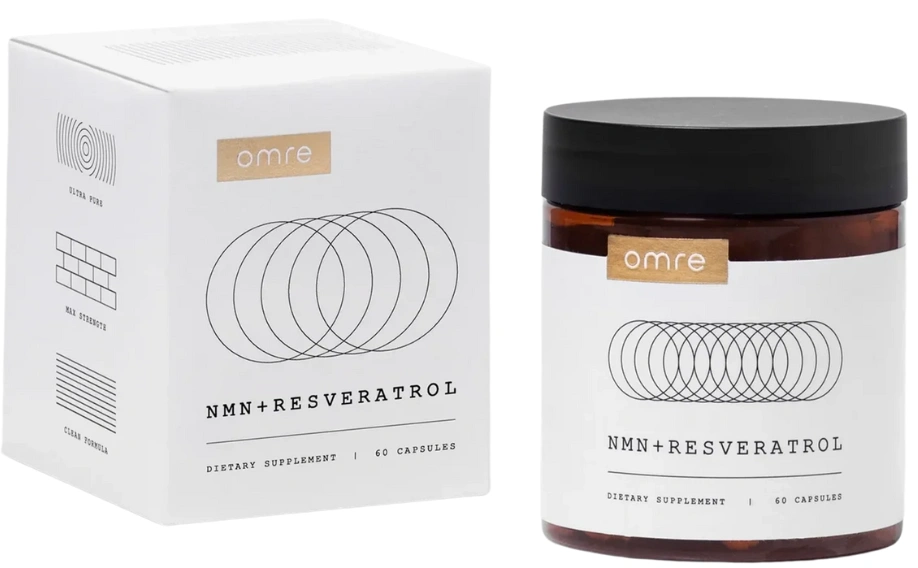 If you are looking for a safer and more sustainable option, you can explore our NMN + Resveratrol and decide whether it feels like the right approach for your long-term routine.
FAQs
How much NAD+ should a beginner inject?
Beginners usually start with lower amounts, often around 50 to 100 mg per injection, taken a few times per week. This conservative approach allows the body to adjust and helps reduce the chance of side effects. A healthcare professional can help determine whether this range makes sense for your situation.
Can you inject NAD+ every day?
Daily injections are sometimes discussed during short loading phases, but they are usually limited to a brief period. For ongoing use, many people space injections out during the week rather than using them daily. Daily dosing is generally considered more appropriate under medical supervision.
Is a high dose better?
Higher doses do not always lead to better results and may increase the risk of discomfort or side effects. In many cases, smaller doses used consistently are discussed as a more balanced approach. Individual response can vary, which is why dosing is often adjusted over time.
How long should a loading phase last?
Loading phases are typically short and often described as lasting about one to two weeks. The goal is to support NAD+ levels during a specific period rather than as a long-term routine. After this phase, many protocols return to lower, less frequent dosing.
Is injecting NAD+ necessary at all?
Injecting NAD+ is not necessary for everyone. Many people choose oral NAD+ precursors instead, as they are easier to use and better suited for long-term support. The right approach depends on personal preference, goals, and professional guidance.