


NAD+ Injection Dosage Per Day: Complete Chart for Safe Daily and Weekly Use
Updated on Aug 6, 2026


Medically reviewed by Dr Pedram Kordrostami, MD— Written by Dr. Dominic Gartry, MD
Updated on Aug 6, 2026
Table of contents
- NAD Injection Dosage Chart and Protocols
- Loading Phase vs Maintenance Phase
- When Is the Best Time to Take NAD+ Injections?
- NAD+ Injection vs IV Therapy: What’s the Difference?
- Potential Health Benefits and Cellular Impact
- Safety, Side Effects, and Monitoring
- A Smarter and More Effective Alternative to NAD+ Injections
- Final Words
- FAQs
NAD+ injections have become a popular way to restore energy, focus, and cellular health as we age. Research shows that NAD+ levels can drop by nearly 50% by midlife, which may explain the sluggishness, brain fog, and slower recovery many people feel over time (1).
By replenishing these levels through injections, you can help your cells function more efficiently and support healthy aging.
Finding the right NAD+ injection dosage per day is key to getting results safely.
The right dose depends on your health goals, current NAD+ levels, and whether you’re using it for general wellness, athletic recovery, or medical therapy.
Key Takeaways:
- Typical dose: Most people take 50–100mg of NAD+ per injection, 2–3 times per week for general wellness.
- Higher doses: Short-term doses up to 200–500mg daily are used for recovery under medical supervision.
- Timing: Morning injections work best to support daytime energy and focus.
- Long-term support: Oral NAD supplements offer a safer, easier alternative for maintaining NAD+ levels.
NAD Injection Dosage Chart and Protocols
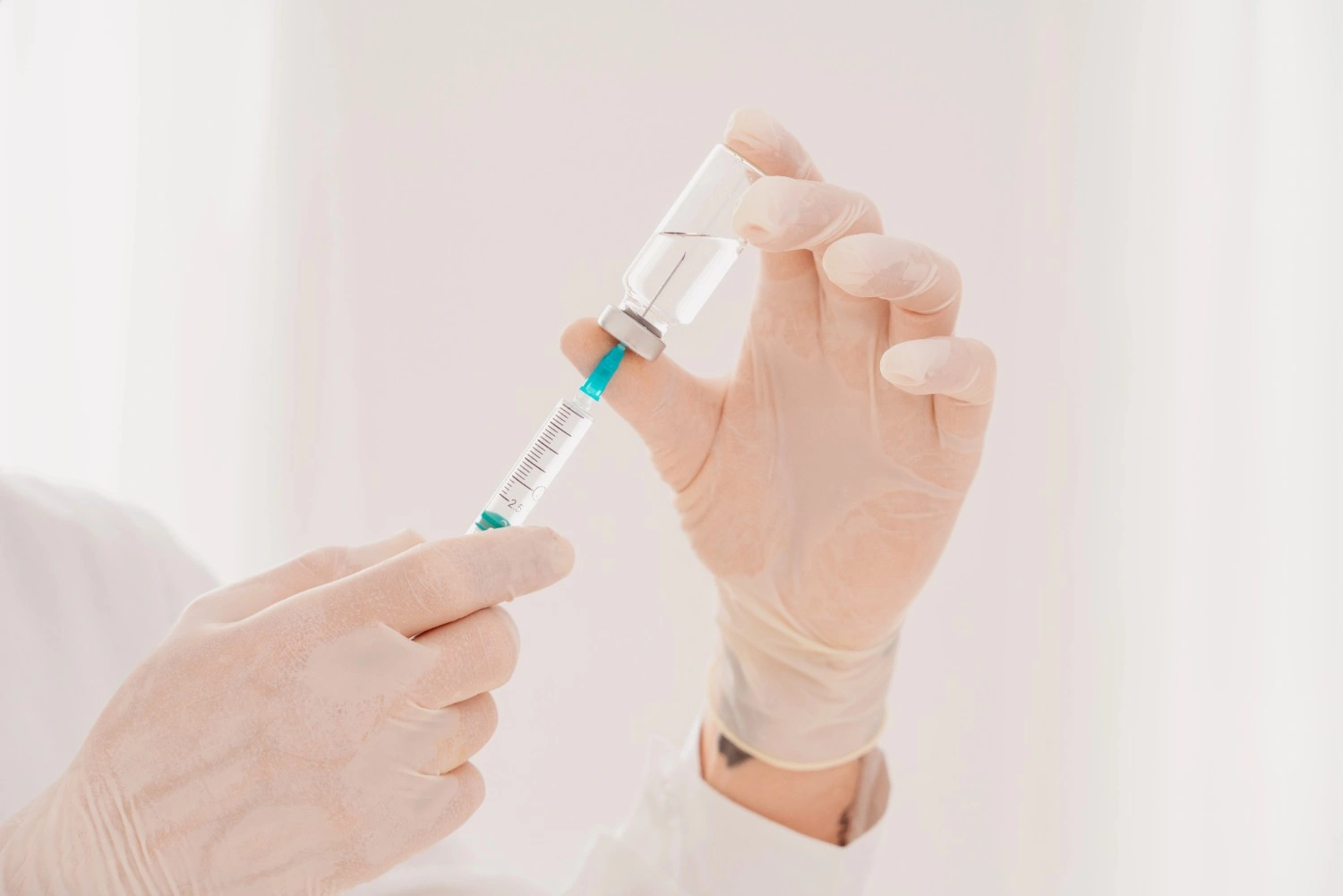
The typical NAD+ injection dosage per day ranges from 50mg to 1,000mg, depending on your health goals. Most people start at 50–100mg taken 2–3 times a week, while higher doses above 200mg are used under medical supervision for recovery or therapeutic protocols.
Recommended NAD+ Injection Dosage Per Day
Most people start with 50–100mg NAD+ injections, taken 2–3 times a week. For short-term recovery or loading phases, the dose may increase to 200–500mg per day under professional supervision.
| Health Goal | Daily Dose (mg) | Frequency | Duration |
|---|---|---|---|
| General Wellness | 50–100mg | 2–3x per week | Ongoing |
| Energy & Recovery | 100–300mg | Every other day | 2–4 weeks |
| Cognitive Focus | 100–250mg | 1–2x per week | 4–6 weeks |
| Anti-Aging Support | 50–100mg | Weekly | Long-term |
| Addiction Recovery | 500–1,000mg | Daily | 7–10 days* |
Disclaimer: This information is for educational purposes only. We do not recommend or endorse NAD+ injections, as there is limited clinical evidence supporting their benefits.
Loading Phase vs Maintenance Phase
The loading phase is designed to quickly restore depleted NAD+ levels. It typically involves 100–200mg daily injections for 7–10 days. This helps “saturate” your cells with NAD+ so they can perform energy and repair functions efficiently.
Once your levels are replenished, the maintenance phase helps keep them stable over time. Most people shift to 50–100mg once or twice a week, which supports energy, recovery, and longevity without overwhelming the body.
Healthcare providers often adjust dosage based on your response. You may need a short loading phase if your energy dips or after periods of intense stress.
When Is the Best Time to Take NAD+ Injections?
The best time to take NAD+ injections is in the morning, since NAD boosts cellular energy and can interfere with sleep if taken late in the day.
Morning administration works best because it aligns with your body’s natural energy rhythm. NAD+ supports mitochondrial function, helping your cells produce energy throughout the day. Taking it early helps you feel alert and focused without disrupting rest at night.
If you exercise, injecting NAD+ before or after workouts may help reduce muscle fatigue and improve recovery. For long-term use, stay consistent with timing to maintain stable NAD+ levels and avoid sudden dips in energy.
NAD+ Injection vs IV Therapy: What’s the Difference?
NAD+ injections deliver smaller doses under the skin, while IV therapy provides higher doses directly into the bloodstream over several hours. Injections are faster, more affordable, and easy to self-administer, while IV therapy offers faster absorption and is used in medical settings.
| Method | Typical Dose | Duration | Setting | Cost | Convenience |
|---|---|---|---|---|---|
| IV Therapy | 250–1,000mg | 2–4 hours | Clinic | $300–800 | Moderate |
| Injection | 50–500mg | 30–60 seconds | Home or clinic | $20–100 | High |
IV Therapy Administration Methods
IV NAD+ therapy involves slow infusion through a vein, usually lasting 2 to 4 hours. This gradual delivery helps prevent discomfort like nausea or flushing.
- Administered in a medical or wellness clinic.
- Doses typically range from 250mg to 1,000mg per session.
- Recommended for severe fatigue, addiction recovery, or rapid replenishment.
Since IV therapy requires time and medical supervision, it’s often used for short-term treatments or when quick results are needed.
Subcutaneous Injections vs Other Routes
Subcutaneous NAD+ injections are more convenient for daily or weekly maintenance. The shot goes just under the skin, usually in the abdomen or upper arm, and takes less than a minute.
Benefits include:
- Can be self-administered after proper training.
- Requires smaller volumes (1–2ml).
- More affordable than IV sessions.
- Minimal side effects like mild redness or tenderness.
Other administration routes, such as oral or nasal forms, are less direct and may lose potency during digestion. That’s why subcutaneous injections remain a preferred choice for consistent NAD+ support at home.
Disclaimer: This information is for educational purposes only. We do not recommend or endorse NAD+ injections, as there is limited clinical evidence supporting their benefits.
Potential Health Benefits and Cellular Impact
-v1762282050071.webp)
NAD+ injections support more than just short-term energy. They work deep within your cells, helping restore how your body creates, uses, and repairs energy at the molecular level. The results build gradually with consistent use, often improving focus, recovery, and overall vitality.
Restores Cellular Energy Production
NAD+ is like the battery charger for your cells. It helps convert the food you eat into ATP, the main source of energy for your muscles, brain, and organs. When NAD+ levels drop with age, your cells struggle to keep up.
Regular NAD+ injections may:
- Improve daily energy levels and focus.
- Support recovery after workouts or fatigue.
- Help stabilize mood and concentration.
Studies show that replenishing NAD+ helps increase mitochondrial efficiency, allowing your body to produce energy more effectively throughout the day (2).
Supports Mitochondrial Health
Your mitochondria act as the “power plants” of your cells. NAD+ fuels them, helping your body generate energy while reducing oxidative stress. When mitochondria function well, your body performs better in every area, from metabolism to brain clarity.
With proper NAD+ support, you may notice:
- Fewer energy crashes during the day.
- Better endurance and stamina.
- Smoother recovery after physical or mental stress.
By supporting mitochondrial performance, NAD+ helps the body stay resilient against age-related fatigue and slower metabolism (3).
Promotes DNA Repair and Longevity
NAD+ activates a group of proteins called sirtuins, often called the “longevity regulators.” These proteins repair damaged DNA, maintain cell health, and regulate inflammation. Low NAD+ levels can slow these repair systems, allowing cell damage to build up over time.
Consistent NAD+ support helps:
- Strengthen the body’s natural DNA repair mechanisms.
- Reduce oxidative stress and inflammation.
- Improve metabolic balance and resilience.
Research suggests that sirtuin activation through NAD+ may play a key role in slowing some visible signs of aging and improving long-term healthspan (4).
Safety, Side Effects, and Monitoring
-v1762282166199.webp)
Most people tolerate NAD+ injections well, but mild side effects like redness, tenderness, or nausea can occur, especially at higher doses. Monitoring dosage and injection technique helps minimize risks.
While NAD+ is naturally produced in your body, too much too soon can overwhelm your system. It’s best to start with smaller doses and increase gradually under medical guidance.
Common mild side effects include:
- Redness or swelling at the injection site.
- Temporary headache or light nausea.
- Mild warmth or tingling sensation.
- Fatigue if injected too late in the day.
These effects usually fade within a few hours. Rotating injection sites and using clean equipment lowers the chance of irritation or infection.
Safety Checklist:
- Use sterile, single-use needles each time.
- Do not exceed 1,000mg per day.
- Track your energy, mood, and sleep after each dose.
- Schedule liver enzyme tests every few months if using long term.
- Store vials in a cool, dark place to preserve potency.
Medical Supervision Requirements
High NAD+ doses above 200mg should always be taken under medical supervision. Healthcare providers monitor your response, check liver function, and adjust dosage based on tolerance and results.
| Monitoring Task | Frequency | Purpose |
|---|---|---|
| Liver function tests | Every 3–6 months | Detect enzyme elevation |
| Blood pressure | Each visit | NAD+ may temporarily lower BP |
| Injection site review | Every session | Prevent infection or bruising |
| Symptom tracking | Ongoing | Identify reactions or dosage issues |
Disclaimer: This information is for educational purposes only. We do not recommend or endorse NAD+ injections, as there is limited clinical evidence supporting their benefits.
A Smarter and More Effective Alternative to NAD+ Injections
NAD+ IV therapy does not work as marketed. Research shows that NAD+ molecules are too large to be fully absorbed through IV drips, which limits their ability to improve energy, cognitive function, or longevity (5).
A more practical alternative is using oral NAD+ precursors such as NMN (nicotinamide mononucleotide) or NR (nicotinamide riboside). These compounds are smaller, easily absorbed, and directly converted into NAD+ inside your cells.
Clinical studies have shown that NMN supplementation helps:
- Increase NAD+ levels within 2–4 weeks (6).
- Improve insulin sensitivity and muscle performance (7).
- Support cognitive clarity and overall metabolism (8).
Advantages over injections:
- No risk of infection or injection-site irritation.
- Easy daily use without medical supervision.
- Lower cost and greater long-term safety.
- Proven ability to raise NAD+ naturally inside cells.
- It can be paired with resveratrol to activate sirtuins more effectively.
Final Words
NAD+ plays a central role in how your body creates and repairs energy. Injections can help restore balance when levels are low, but finding the right dose and using it safely is what truly makes the difference.
For most people, starting with 50–100mg per injection and maintaining consistency yields the best results over time.
If you prefer a simpler, research-backed option, consider oral NAD+ precursors like NMN combined with resveratrol. They help your body naturally restore NAD+ while supporting mitochondrial health and cellular repair.

For ongoing support, you can explore Omre NMN + Resveratrol, a clinically formulated blend that promotes sustained energy, sharper focus, and healthy aging from the inside out.
FAQs
How much NAD+ should I inject?
Most people start with 50–100mg per injection, taken 2–3 times per week for general wellness. Higher doses, such as 200–500mg daily, are used short-term under medical supervision for recovery or therapeutic treatments.
Can I take NAD+ injections every day?
Daily NAD+ injections are possible during short loading phases, usually lasting 7–10 days, to restore low NAD+ levels. For ongoing use, most people do better with 2–3 injections per week to avoid stressing the liver and maintain steady cellular energy.
How long does it take to feel results from NAD+ injections?
Some people notice improved focus and energy within a few hours, while deeper benefits like better recovery and mood balance usually appear after 2–3 weeks of consistent dosing. Results depend on your current NAD+ levels, lifestyle, and overall health.
Is a 500mg NAD+ injection safe for daily use?
A 500mg daily dose should only be taken under medical supervision, as higher amounts can cause nausea, flushing, or liver strain. For general wellness, lower doses around 50–100mg are typically safer and effective.
Do NAD+ injections really slow aging?
NAD+ injections may help slow some cellular aspects of aging by supporting DNA repair, mitochondrial health, and energy production. While not a cure for aging, maintaining healthy NAD+ levels is linked to better vitality and longevity in several studies.

About the medical reviewer
Dr Pedram Kordrostami, MD
Table of contents
- NAD Injection Dosage Chart and Protocols
- Loading Phase vs Maintenance Phase
- When Is the Best Time to Take NAD+ Injections?
- NAD+ Injection vs IV Therapy: What’s the Difference?
- Potential Health Benefits and Cellular Impact
- Safety, Side Effects, and Monitoring
- A Smarter and More Effective Alternative to NAD+ Injections
- Final Words
- FAQs


