




Table of Contents
NAD injections are getting a lot of attention in wellness and longevity circles. Some people hear about them through clinics, social media, or friends who say they felt more energy or mental sharpness afterward.
At the same time, many readers feel confused because the science sounds complex and the claims do not always line up with the research.
If you are looking into NAD injections, the key question is simple. Do they actually work, and what does real human research say so far? This article walks through that answer calmly, using what is known today, without hype or strong promises.
Disclaimer: This article is for educational purposes only and is not intended as medical advice. NAD injections and supplements should be considered only with guidance from a qualified healthcare professional.
Cellular NAD+ booster with ultra‑pure NMN and Resveratrol, at research‑backed doses.*
NMN + RESVERATROL
Do NAD Injections Work?
-v1766277368535.webp) NAD injections are used in wellness settings, but strong clinical evidence in humans is limited, and most research on NAD benefits comes from oral precursors like NMN and NR.
NAD injections are used in wellness settings, but strong clinical evidence in humans is limited, and most research on NAD benefits comes from oral precursors like NMN and NR.
Some people report feeling more energy or mental clarity after NAD injections, but these experiences are mostly anecdotal. Large, well-controlled human trials that directly study NAD injections are still scarce.
Because of this, it is hard to say how much of the effect comes from the injection itself versus expectation, context, or individual biology.
Researchers generally agree on one point. The strongest human data around raising NAD levels comes from studies on oral NAD precursors, not injections.
That difference matters when weighing how much confidence to place in current claims.
What Are NAD Injections?
NAD injections deliver nicotinamide adenine dinucleotide into muscle or fat tissue through a shot, usually given under the skin or into a muscle.
NAD, short for nicotinamide adenine dinucleotide, is a coenzyme found in every living cell. In injection form, NAD is typically administered as a subcutaneous injection into fatty tissue or as an intramuscular injection into muscle.
The idea behind injections is to bypass digestion. Instead of going through the gut like a pill, the compound enters tissue directly.
Even so, once NAD is in the body, it still has to follow normal biological pathways before cells can actually use it.
What Does NAD Do in the Body?
-v1766277311851.webp) NAD plays a central role in everyday cellular function. Your body relies on it constantly, even though you rarely notice it working.
NAD plays a central role in everyday cellular function. Your body relies on it constantly, even though you rarely notice it working.
Key roles of NAD include:
Helping cells convert food into usable energy
Supporting normal mitochondrial function
Playing a role in DNA repair processes
Acting as a cofactor for enzymes involved in cell regulation
NAD levels tend to decline with age and stress (1). This decline has been linked in research to changes in cellular efficiency, which is why scientists are interested in ways to support NAD metabolism.
How NAD Injections Are Supposed to Work
NAD molecules are relatively large, which creates a challenge. They do not easily cross cell membranes in their intact form (2). Because of this, injected NAD does not simply enter cells and start working right away.
Instead, enzymes in the body break NAD down into smaller components, such as nicotinamide. Cells can absorb these smaller molecules more easily. Once inside, the cells rebuild NAD using established biosynthetic pathways.
This rebuilding process is important to understand. Whether NAD comes from an injection, an IV drip, or an oral precursor, cells rely on similar internal pathways to regenerate usable NAD.
This is one reason researchers often focus on precursors like NMN and NR in human studies.
What the Research Really Shows
Most of what we know about NAD support comes from indirect evidence rather than direct testing of injections. That distinction is important for setting realistic expectations.
Human Evidence for NAD Injections
Human studies specifically examining NAD injections are limited. Available data often comes from small pilot studies, case reports, or clinical use in specialized settings.
There is currently a lack of large, long-term randomized trials that measure clear outcomes from NAD injections alone.
Some research on IV NAD has shown that a significant portion of NAD passes through the body without being taken up by cells, which raises questions about efficiency (3).
Injection-based data is even more sparse, making firm conclusions difficult.
Evidence for Oral NAD Precursors
In contrast, oral NAD precursors like nicotinamide riboside and nicotinamide mononucleotide have been studied in multiple human trials. These studies consistently show that oral precursors can raise NAD levels in blood and tissues.
A Japanese clinical trial in healthy adults using 250 mg to 500 mg per day reported increases in NAD-related markers without serious side effects, suggesting good short-term tolerability (4).
Another controlled human study found that a single oral dose of nicotinamide riboside increased blood NAD levels by up to 2.7 times within a few hours, showing rapid engagement of NAD pathways (5).
Longer duration trials using daily doses ranging from 300 mg to 1,000 mg have also shown steady increases in NAD levels over several weeks, with participants generally tolerating supplementation well (6).
While individual responses varied, this growing body of human evidence remains stronger and more consistent than what is currently available for NAD injections.
NMN + RESVERATROL
Cellular NAD+ booster with ultra‑pure NMN and Resveratrol, at research‑backed doses.*
Reported Benefits of NAD Injections
-v1766277493366.webp) People who try NAD injections often describe a range of experiences, but these reports are personal and can vary widely from one person to another.
People who try NAD injections often describe a range of experiences, but these reports are personal and can vary widely from one person to another.
Commonly discussed experiences include:
Feeling a temporary lift in day-to-day energy, especially during periods of fatigue or burnout
A sense of clearer thinking or better focus, often described as mental sharpness, rather than a dramatic change
Perceived support during recovery from stress, travel, or demanding schedules
Interest in healthy aging support, based on NAD’s role in normal cellular processes
It is important to note that these effects are largely based on self-reports rather than large human trials.
Possible Risks and Side Effects
NAD injections are generally described as well-tolerated in clinical settings, but side effects can still occur.
Reported risks and reactions may include:
Soreness, redness, or swelling at the injection site
Mild headache or a feeling of pressure
Nausea or stomach discomfort shortly after injection
Lightheadedness or fatigue in some individuals
More serious reactions appear uncommon when injections are given under medical guidance, but long-term safety data for regular use remain limited.
Are NAD Injections Worth It?
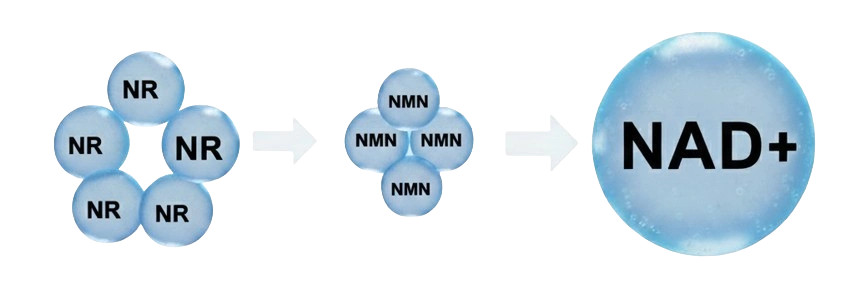 Research suggests that NAD molecules are quite large and do not easily enter cells intact when delivered through IV drips, which may limit how much they can directly influence energy, mental clarity, or aging-related processes.
Injections share similar biological constraints, since cells still need to break NAD down and rebuild it internally.
Because of this, some researchers and clinicians place more weight on approaches that support the body’s natural NAD production pathways.
Oral NAD precursors, such as NMN and NR, have been studied more extensively in humans and show consistent increases in NAD-related markers over time.
For people thinking about NAD support, the choice often comes down to evidence, convenience, and comfort. Injections may appeal to some, but oral precursors currently have a stronger research base and are easier to use long-term for many individuals.
Final Words
NAD injections have become popular in wellness settings, but the science behind them is still developing.
While NAD plays an important role in normal cellular function, most human research supporting NAD metabolism comes from studies on oral precursors rather than injections. Reported benefits exist, but they should be viewed cautiously and in context.
At Omre, we focus on approaches that align closely with human research. Our NMN + Resveratrol formula is designed to support NAD pathways in a simple, well-studied way. 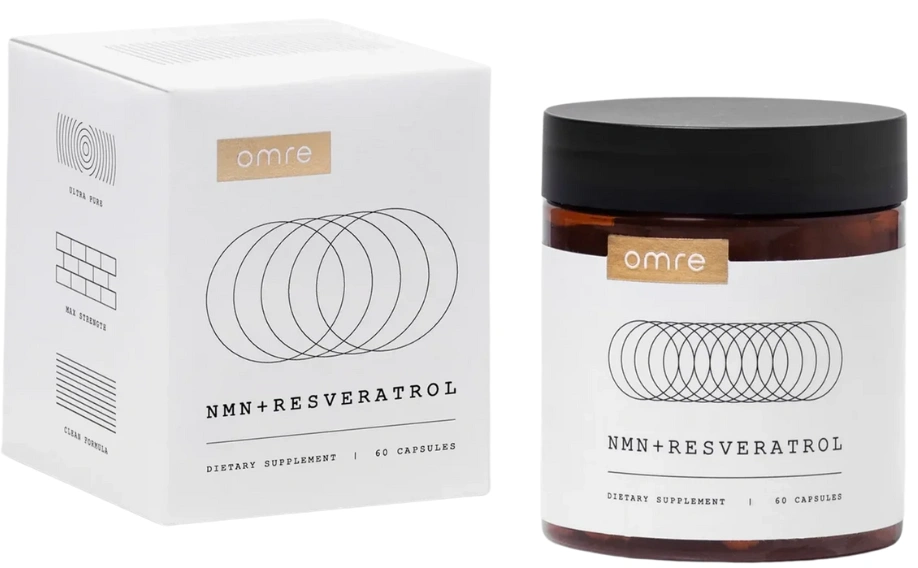 If you want to explore a steadier, research-aligned option, you can learn more about Omre NMN + Resveratrol and decide whether it fits your routine.
FAQs
What is an NAD injection used for?
NAD injections are used in some wellness settings for general support with energy, recovery, or cellular health. Most reported benefits come from personal experiences rather than large human trials.
Are NAD injections better than supplements?
There is no clear evidence that injections work better than oral supplements. Oral precursors like NMN and NR have stronger and more consistent human research behind them.
How often do people get NAD injections?
Schedules vary by provider and individual goals. Some people receive injections weekly or monthly, but no standard schedule is supported by strong clinical data.
Are NAD injections safe long-term?
Short-term use appears generally well tolerated with medical oversight, but long-term safety data are limited. Ongoing guidance from a healthcare professional is commonly recommended.
Why are NMN and NR studied more than injections?
NMN and NR are easier to study in long-term human trials and work through well-understood NAD production pathways. This has led to a larger and more reliable evidence base.