


NADH to NAD+: How Cells Turn Used Energy Back Into Fuel
Updated on Apr 13, 2026


Medically reviewed by Dr Pedram Kordrostami, MD— Written by Dr. Dominic Gartry, MD
Updated on Apr 13, 2026
Table of contents
- What NADH and NAD+ Actually Are
- Why Cells Need to Convert NADH Back to NAD+
- How NADH Turns Back Into NAD+ Inside Cells
- Where This Conversion Happens in the Body
- The NAD+ to NADH Ratio and Why It Matters
- What Affects the NADH to NAD+ Balance
- Can the Body Restore NAD+ on Its Own?
- How NAD Precursors Fit Into the Picture
- Final Words
- FAQs
Every second, your cells are busy making energy so your body can keep working. To do that, they rely on a small helper called NAD. It constantly shifts between two forms, NADH and NAD+.
This back-and-forth cycle allows cells to take energy from food, use it, then reset the system so energy production can continue without interruption.
Key Takeaways:
-
NADH and NAD+ are two forms of the same molecule that help cells move and recycle energy.
-
NADH carries energy, while NAD+ allows cells to keep breaking down food for fuel.
-
Converting NADH back into NAD+ keeps energy production steady and prevents slowdowns.
-
Oxygen, activity level, stress, and age all influence how smoothly this cycle works.
Disclaimer: This content is for educational purposes only and is not intended as medical advice. Always consult a qualified healthcare professional before starting any dietary supplement.
What NADH and NAD+ Actually Are
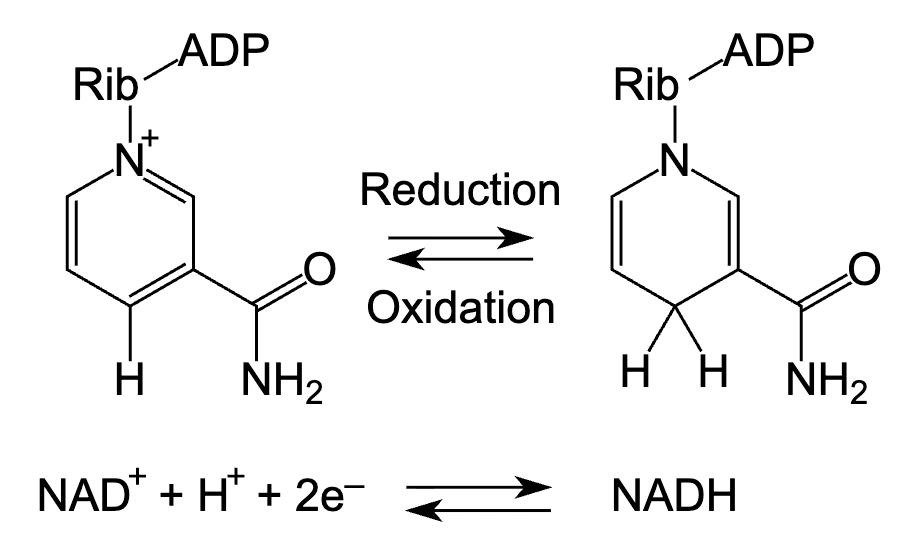
NADH and NAD+ are two forms of the same helper molecule that cells use to move energy around. NAD+ accepts energy, and NADH carries it. Cells need both, and they need to switch between them constantly.
To understand this clearly, it helps to look at each form on its own.
What is NADH?
NADH is the energy-carrying form of NAD. It holds high-energy electrons that come from breaking down food.
Inside the cell, NADH forms when NAD+ picks up electrons during processes like glycolysis and the citric acid cycle. You can think of NADH like a fully charged battery. It is loaded with energy, but that energy still needs to be used.
NADH does not directly power most cell work. Instead, it delivers its electrons to other systems inside the cell, mainly in the mitochondria, where that energy is turned into ATP.
What is NAD+?
NAD+ is the empty or ready form of NAD. It accepts electrons, so energy production can begin again.
When NADH gives up its electrons, it turns back into NAD+. This step is what allows the energy cycle to continue. Without enough NAD+, cells struggle to keep breaking down glucose and other fuels.
Beyond energy production, NAD+ also supports many normal cell functions. Research has found that NAD+ levels tend to decline with age.
Some studies report that NAD+ levels drop by roughly 50% between ages 40 and 60, although the exact impact on health is still being studied (1).
Key Differences Between NADH and NAD+
NAD+ collects energy, while NADH delivers it. One starts the process, the other finishes it.
| Feature | NAD+ | NADH |
| Role | Accepts electrons | Carries electrons |
| Energy state | Ready for use | Energy loaded |
| Main function | Starts energy reactions | Feeds energy into ATP production |
| Cellular balance | Needed to keep metabolism moving | Must convert back to NAD+ |
Why Cells Need to Convert NADH Back to NAD+
Cells must turn NADH back into NAD+ or energy production slows down.
When NADH builds up and NAD+ runs low, cells cannot keep breaking down fuel efficiently. This creates a bottleneck where energy-making reactions stall, even if plenty of food is available.
By converting NADH back into NAD+, cells recycle their energy system. This recycling keeps glycolysis running, supports mitochondrial energy production, and helps maintain a healthy balance between energy supply and demand.
Research continues to explore how this balance shifts with age, stress, and metabolic health, but the basic need for this conversion is consistent across all cells.
How NADH Turns Back Into NAD+ Inside Cells
-v1767921227217.webp)
NADH turns back into NAD+ by giving up the electrons it is carrying. With oxygen, this mostly happens in mitochondria to help make ATP. Without oxygen, cells use a backup method in the cell fluid that helps recycle NAD+ so energy-making can keep going.
That is the big picture. The details depend on whether oxygen is available and on what type of cell we are talking about.
With Oxygen: Inside the Mitochondria
When oxygen is available, cells use their mitochondria as the main place to reset NADH back into NAD+. This is the cleaner, higher output route.
Here is what happens in simple terms. NADH arrives at the mitochondria holding high-energy electrons. It drops those electrons off to a set of proteins in the inner mitochondrial membrane.
As the electrons move along, that movement helps push protons in a way that creates a kind of stored pressure. The cell then uses that pressure to make ATP, which is the small energy unit cells spend to do work.
Oxygen matters here because it acts like the final receiver that keeps the electron flow moving. Without that final handoff, the system backs up.
When everything runs smoothly, NADH gets converted back into NAD+, ATP gets made, and the cell has fresh NAD+ ready to pick up more electrons from breaking down food.
You do not need to memorize the names of the steps to understand the point. NADH is like a delivery person with a package of electrons.
The mitochondria is the delivery hub. The drop off helps power ATP production, and the delivery person leaves as NAD+, ready to do another run.
Without Oxygen: In the Cell Fluid
When oxygen is low, cells still need a way to recycle NADH back into NAD+. If they do not, glycolysis slows down, and quick energy production can stall.
This is where fermentation comes in. Fermentation is a backup process that happens in the cell fluid, not in the mitochondria. The goal is simple. It lets NADH hand off its electrons to another molecule so NAD+ is regenerated.
A common example is during hard exercise. If muscles are working so intensely that oxygen delivery cannot keep up, cells lean more on this backup method for a while.
Another example is red blood cells. They do not have mitochondria, so they rely heavily on this cell fluid approach all the time.
In many cases, NADH passes its electrons to pyruvate, turning it into lactate. Lactate is not a toxic waste, the way people sometimes describe it.
It is more like a temporary parking spot for those electrons. When oxygen is available again, the body can process lactate further and reuse it, depending on the situation.
So fermentation is not the best long-term option for high ATP output. But it is a very useful short-term solution. It keeps NAD+ available, which helps energy production continue when conditions are tight.
Where This Conversion Happens in the Body
NADH turns back into NAD+ mainly in mitochondria when oxygen is available, and in the cell fluid when oxygen is limited or when a cell has no mitochondria.
In practical terms, this means most organs and tissues use both methods at different times, but they lean more on the mitochondrial route during normal, oxygen-rich conditions.
Cells that are constantly active, like heart muscle, tend to depend heavily on mitochondria because they need steady ATP output.
Some cells work differently. Red blood cells are the clearest example because they do not have mitochondria. They regenerate NAD+ in the cell fluid as part of their normal routine.
Working muscles also shift back and forth depending on effort level, oxygen supply, and how long the activity lasts.
The NAD+ to NADH Ratio and Why It Matters
The NAD+/NADH ratio describes the balance between the ready form of NAD and the energy carrying form. In healthy tissues, research has reported this ratio is often very high, sometimes around 700:1.
Rather than being a score to optimize, this balance acts as a broad signal of how smoothly cellular metabolism is running.
When enough NAD+ is available, cells can keep energy pathways moving efficiently. If NADH starts to build up and NAD+ becomes limited, it often suggests electrons are not being cleared quickly enough. In simple terms, the system can feel backed up, similar to a sink that drains more slowly than it fills.
Research has linked shifts in this balance to aging and different forms of metabolic stress. Some findings suggest that NAD+ availability and the NAD+ to NADH balance may trend downward with age (2).
Factors such as low oxygen states, heavy alcohol intake, and long periods of excess calorie intake may also push the balance in a less favorable direction.
The details are still being studied, and the ratio can vary across different parts of the cell, which makes it harder to interpret in a single, universal way.
The main point is practical: Cells rely on NAD+ and NADH switching roles smoothly. When that exchange slows down, energy production and everyday cell maintenance may become less efficient over time.
What Affects the NADH to NAD+ Balance
-v1767923712540.webp)
Many everyday factors gently shift how easily cells recycle NADH back into NAD+. This balance is dynamic and responds to how the body is functioning at any given moment.
-
Oxygen availability. When oxygen is plentiful, cells rely more on mitochondria to clear NADH efficiently. Low oxygen pushes cells toward backup pathways that recycle NAD+ more quickly but make less ATP.
-
Physical activity level. Moderate movement supports steady recycling. Very intense exercise can temporarily increase NADH until oxygen delivery catches up.
-
Metabolic stress. Overeating, long periods of high blood sugar, or chronic inflammation can strain energy pathways and affect how fast NADH converts back to NAD+ (3).
-
Alcohol metabolism. Breaking down alcohol uses large amounts of NAD+, which shifts the balance toward NADH for a period of time (4).
-
Aging. Research has found that NAD+ levels and the NAD+ to NADH balance tend to shift with age, although how this affects daily function is still being studied.
Can the Body Restore NAD+ on Its Own?
The body has built-in systems that recycle and rebuild NAD+ every day.
Cells constantly remake NAD+ from smaller pieces after it has been used. This recycling happens through natural pathways that recover parts of the molecule and rebuild it so energy production can continue.
These systems work quietly in the background and are active in all healthy cells. That said, research suggests these recycling systems may become less efficient with age or prolonged stress.
This does not mean NAD+ disappears, but it may be harder for cells to keep levels where they once were. Scientists are still studying how much this shift matters for different tissues and for long-term health.
How NAD Precursors Fit Into the Picture

NAD precursors are best thought of as raw materials, not on off switches. They give the body more building blocks it can use to make NAD+, but they do not force NADH to convert back instantly.
Two of the most studied precursors are NMN and NR. Both sit a few steps away from NAD+ in the body’s natural production pathway.
Research has reported that supplementing with these compounds raises NAD-related markers in the blood. For example, small human studies have found that taking NMN in doses ranging from 100 to 500 milligrams increased NAD-related byproducts in circulation (5).
It is important to keep expectations realistic. These compounds support the supply side of NAD+, but the actual conversion between NADH and NAD+ still depends on oxygen availability, cell demand, and overall metabolic health. The science here is active and still evolving.
Final Words
NADH and NAD+ work as a pair. NADH carries energy, and NAD+ makes sure cells can keep pulling energy from food.
Converting NADH back into NAD+ is not optional. It is how cells avoid energy slowdowns and keep basic functions running smoothly.
Oxygen levels, activity, stress, and age all influence how smoothly this cycle runs, and the balance matters more than chasing high numbers.
At Omre, we focus on supporting this biology in a practical, research-aligned way. Our NMN + Resveratrol formula is designed around clear dosing and ingredients that fit naturally into the body’s existing NAD pathways.

If you want to learn more about how we approach cellular support without hype or shortcuts, you can explore Omre NMN + Resveratrol to see whether it aligns with your long-term health goals.
FAQs
What is the difference between NADH and NAD+?
NAD+ is the form that accepts electrons, so energy making can start, while NADH is the form that carries those electrons after fuel is broken down. Cells need to move between both forms to keep energy production running smoothly.
Why does NADH need to convert back to NAD+?
If NADH is not converted back to NAD+, cells can run short of the form needed to keep breaking down glucose and other fuels. This conversion helps prevent slowdowns in basic energy pathways.
Does NADH make energy directly?
NADH does not create energy on its own. It delivers electrons to other systems in the cell that use them to help produce ATP, which cells then spend to do work.
What happens if NAD+ runs low in cells?
When NAD+ levels drop, some energy-producing reactions may slow because they depend on NAD+ being available. Research suggests this may affect how efficiently cells respond to stress, although the full impact is still being studied.
Does exercise affect the NADH to NAD+ balance?
Exercise can shift the balance temporarily as muscles use and recycle energy more quickly. During intense effort, NADH may build up briefly, while recovery and oxygen availability help restore NAD+ afterward.

About the medical reviewer
Dr Pedram Kordrostami, MD
Table of contents
- What NADH and NAD+ Actually Are
- Why Cells Need to Convert NADH Back to NAD+
- How NADH Turns Back Into NAD+ Inside Cells
- Where This Conversion Happens in the Body
- The NAD+ to NADH Ratio and Why It Matters
- What Affects the NADH to NAD+ Balance
- Can the Body Restore NAD+ on Its Own?
- How NAD Precursors Fit Into the Picture
- Final Words
- FAQs


