




Table of Contents
Your body relies on NAD+ to support energy production, cell repair, and many everyday functions that tend to slow with age.
As interest in NAD+ grows, many people want to know the safest and most effective way to take it, without confusion or unrealistic claims.
The good news is that supporting NAD+ levels does not need to be complicated. With the right approach, it can fit naturally into a daily routine and align with what research currently shows.
Key Takeaways:
-
Most people support NAD+ by taking oral precursors like NMN or NR, not NAD+ itself.
-
Daily consistency matters more than timing, cycling, or high doses.
-
Injections and IV therapy are medical options with limited evidence for long-term cellular NAD support.
-
The best approach is the one that fits your body, lifestyle, and tolerance, not the most aggressive method.
Disclaimer: This content is for educational purposes only and is not intended as medical advice. Always consult a qualified healthcare professional before starting any dietary supplement.
Cellular NAD+ booster with ultra‑pure NMN and Resveratrol, at research‑backed doses.*
NMN + RESVERATROL
What “Taking NAD+” Really Means?
-v1766823936705.webp) Most people do not take NAD+ directly. They take compounds that help the body make more NAD+ on its own.
Most people do not take NAD+ directly. They take compounds that help the body make more NAD+ on its own.
NAD+ is a molecule found inside every cell. When people talk about “taking NAD+,” they are usually referring to taking NAD precursors.
These are nutrients the body converts into NAD through well-understood biological pathways. Because NAD+ itself breaks down easily during digestion, precursor forms are used instead.
In simple terms, you are giving your body the raw materials it needs. Your cells then turn those materials into NAD as needed. This approach is what most human studies are based on, and it is why oral supplements are the most common starting point.
Common Ways to Support NAD+ Levels
-v1766826408545.webp) There are several ways people try to support NAD+ levels. Each method works differently and fits different needs. Most healthy adults begin with oral options, while medical therapies are typically handled in clinical settings.
There are several ways people try to support NAD+ levels. Each method works differently and fits different needs. Most healthy adults begin with oral options, while medical therapies are typically handled in clinical settings.
Oral NAD+ Precursors
Oral precursors are the most researched and widely used way to support NAD+ levels. They are taken daily and rely on the body’s natural conversion processes.
NMN Supplements
NMN is one of the closest direct precursors to NAD. Once absorbed, it enters the NAD production pathway with minimal conversion steps.
Human studies have shown that NMN supplementation can raise blood NAD markers and is generally well tolerated at commonly studied doses (1).
People often choose NMN for its close relationship to NAD and its growing body of clinical research. Most users report mild or no side effects, especially when starting with lower amounts.
NR Supplements
NR is another well-studied NAD precursor. It is a form of vitamin B3 that converts into NAD through a clear and established pathway. Multiple human trials show that NR supplementation increases NAD levels safely in adults (2).
Many people choose NR because it has been studied longer in human trials and is often easier on digestion. Tolerance is generally good, with occasional mild stomach discomfort in some users.
Nicotinamide
Nicotinamide, also called niacinamide, is a basic form of vitamin B3. The body has long used it as a building block for NAD production. While it requires more conversion steps than NMN or NR, it is well understood and widely used.
Studies show that nicotinamide can raise NAD levels at appropriate doses, though very high intakes may affect other metabolic pathways (3). It is often chosen for its availability and long safety history when used responsibly.
NMN + RESVERATROL
Cellular NAD+ booster with ultra‑pure NMN and Resveratrol, at research‑backed doses.*
NAD+ Injections
NAD+ injections are given as shots into muscle tissue, usually in a clinic. The idea is to bypass digestion and deliver NAD-related compounds directly into the body, where they can circulate over time. Some people choose injections because they want a more direct approach than oral supplements.
That said, research on how injections affect long-term intracellular NAD levels is still limited.
While injections deliver NAD-related compounds into the bloodstream, studies suggest that NAD+ molecules are too large to efficiently enter cells, which may limit their ability to raise cellular NAD, improve energy, or support healthy aging (4).
Because of this uncertainty, injections are usually positioned as a medical or wellness clinic option rather than a proven daily strategy.
It is also important to note that NAD+ injections are not supplements you take at home. They require medical supervision, careful dosing, and monitoring for side effects such as flushing, nausea, or discomfort at the injection site.
NAD IV Therapy
NAD IV therapy takes place in a clinical or wellness setting and involves receiving an intravenous drip over several hours. Sessions can be time-intensive and are often repeated over multiple days or weeks.
Costs are typically much higher than oral supplements, which makes this approach less accessible for long-term use.
Evidence around IV NAD therapy is still evolving. While the treatment delivers NAD-related compounds directly into the bloodstream, current research suggests that NAD+ molecules are too large to be efficiently absorbed into cells.
This limits their ability to reliably boost cellular energy, sharpen mental clarity, or slow aging processes at the cellular level. As a result, benefits reported by users are difficult to separate from placebo effects or short-term metabolic responses.
Because of the limited long-term data and higher risks compared to oral options, IV therapy is best viewed as a medical intervention rather than a routine wellness habit. Outcomes vary widely, and strong conclusions about lasting intracellular NAD increases cannot yet be made.
Best Time of Day to Take NAD+ Precursors
Most people take NAD+ precursors in the morning, but consistency matters more than the clock.
NAD+ plays a role in energy metabolism, which is why many people prefer taking NMN or NR earlier in the day. Morning use fits naturally into daily routines and may reduce the chance of sleep disruption in those who feel more alert after taking these supplements.
That said, research does not show a strict rule about timing. If you do not notice energizing effects, taking NAD precursors later in the day is usually fine. The key factor supported by studies is daily consistency, not the exact hour you take them.
Should You Take NAD+ With Food?
 NAD+ precursors can be taken with or without food, depending on comfort. Most NMN, NR, and nicotinamide supplements are absorbed well on their own.
Some people prefer taking them on an empty stomach, while others find they feel better when taken with a meal. Neither approach appears to significantly change how these compounds support NAD production.
If you experience mild stomach discomfort, taking your supplement with food can help improve tolerance. The best option is the one that feels comfortable and fits easily into your daily routine, making it more likely you will take it consistently.
Factors That Affect the Best Way to Take NAD+
The best way to take NAD+ is not the same for everyone. How your body responds depends on a few personal factors that influence how NAD is produced and used.
Age: NAD levels naturally decline as people get older. Younger adults may maintain healthy levels with smaller amounts, while older adults often need more consistent support to reach similar NAD markers.
Lifestyle and activity level: Regular exercise, physical stress, and long work hours all increase energy demand at the cellular level. People with active lifestyles may use NAD faster, which can affect how they respond to supplementation.
Diet and nutrition: Diets low in key nutrients can limit the body’s ability to recycle NAD efficiently. Balanced nutrition supports the same pathways that NAD precursors rely on.
Baseline health status: Metabolic health, sleep quality, and stress levels all influence NAD turnover. This helps explain why some people notice changes quickly while others do not.
Consistency of use: Research consistently shows that steady daily intake matters more than occasional high doses. NAD support works best as a long-term habit, not a quick fix.
Safety and Tolerance Considerations
 Oral NAD precursors are generally well tolerated when used responsibly, but starting with a lower amount and listening to your body is important.
Human studies on NMN, NR, and nicotinamide show a strong safety profile at commonly studied doses, with most side effects being mild and temporary.
These may include slight stomach discomfort, flushing, or headaches, and they often improve when taken with food or adjusted.
Beginning with a smaller dose and increasing gradually helps your body adapt and makes it easier to find what works best for you. Taking more does not always lead to better results.
People who are pregnant, nursing, taking medications, or managing health conditions should speak with a healthcare professional before starting NAD support.
Injections and IV therapies should always be handled under medical supervision.
Final Words
The best way to take NAD+ is the method that supports your body safely, consistently, and in line with current research.
For most people, that means using oral NAD precursors daily, focusing on steady habits rather than extreme approaches, and paying attention to how their body responds over time.
At Omre, we focus on evidence-led formulations designed to support healthy aging at the cellular level. Our NMN plus resveratrol blend was created with this same research-driven mindset, combining well-studied NAD support with complementary compounds that fit naturally into a balanced wellness routine. 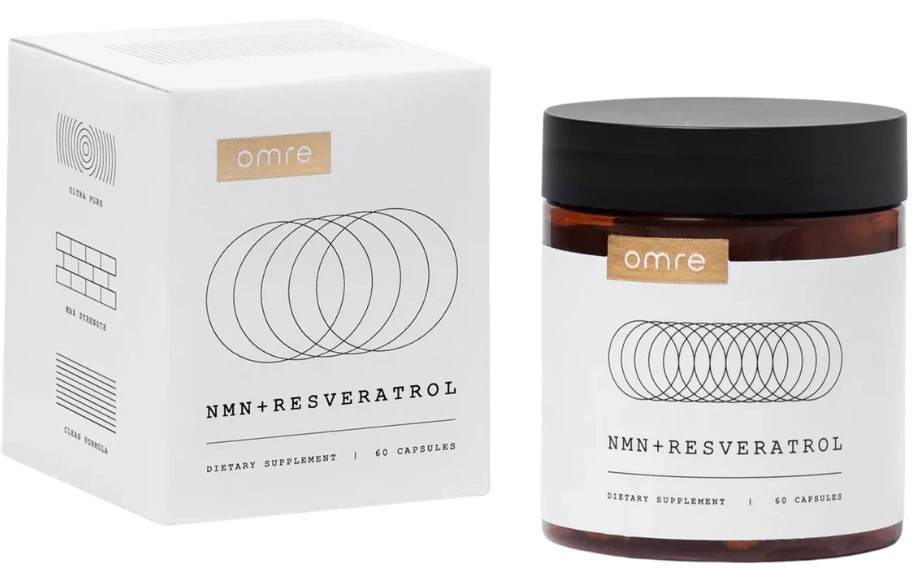 If you want to learn more about how we approach NAD support, you can explore Omre NMN + Resveratrol and see if it aligns with your goals.