




Table of Contents
Histamine intolerance can be confusing and frustrating, especially when symptoms seem to come from everyday foods or situations.
Quercetin is often mentioned as a natural option for histamine-related symptoms.
This article looks at what histamine intolerance is, what quercetin is, and what current research actually shows, without exaggeration or medical promises.
Key Takeaways:
-
Histamine intolerance happens when the body struggles to break down histamine, often due to low DAO activity.
-
Quercetin is a plant flavonoid that may help by reducing histamine release from mast cells.
-
Most research on quercetin comes from allergy and lab studies, not direct histamine intolerance trials.
-
Quercetin tends to work best when combined with diet, gut support, and a gradual approach.
Disclaimer: This content is for educational purposes only and is not intended as medical advice. Always consult a qualified healthcare professional before starting any dietary supplement.

Quercetin + Fisetin
Quercetin and Fisetin help manage 'zombie' senescent cell burden and support cellular rejuvenation.*
What Is Histamine Intolerance?
-v1767205015160.webp) Histamine intolerance is a condition where the body struggles to break down histamine, leading to symptoms after eating or exposure to triggers.
Histamine intolerance is a condition where the body struggles to break down histamine, leading to symptoms after eating or exposure to triggers.
This usually happens when the body does not have enough of an enzyme called diamine oxidase, often shortened to DAO, which helps break down histamine from food.
Histamine is a natural chemical involved in digestion, immune response, and nerve signaling. Problems start when histamine builds up faster than the body can clear it.
This buildup may cause symptoms like headaches, flushing, digestive discomfort, runny nose, or heart palpitations.
Unlike classic allergies, histamine intolerance does not involve an immune attack against a specific food. It is more about balance. Gut health, certain medications, stress, and enzyme activity can all play a role.
What Is Quercetin?
-v1767204907185.webp) Quercetin is a plant compound found in many fruits and vegetables that has antioxidant and antihistamine-like properties. It belongs to a group of nutrients called flavonoids, which help protect cells and support normal immune function.
Quercetin is a plant compound found in many fruits and vegetables that has antioxidant and antihistamine-like properties. It belongs to a group of nutrients called flavonoids, which help protect cells and support normal immune function.
In the diet, quercetin comes from foods such as onions, apples, capers, berries, and leafy greens. It is also available as a dietary supplement, usually in capsule form.
Researchers are interested in quercetin because it appears to influence how immune cells behave, especially cells involved in allergic and inflammatory responses.
This is why it is often discussed in relation to allergies and histamine-related symptoms.
How Quercetin Affects Histamine in the Body
Mast cells are a type of immune cell found throughout the body, including the skin, lungs, and digestive tract. Their job is to release substances like histamine when the body senses a potential threat.
Research suggests that quercetin may help calm mast cells. Instead of stopping histamine completely, it may reduce how much histamine these cells release in response to triggers (1). This could help explain why quercetin is often studied for allergy-related symptoms.
Some studies also show that quercetin can influence inflammatory messengers such as IL 4 and IL 13 (2). These messengers are involved in allergic inflammation and immune signaling. By gently influencing these pathways, quercetin may support a more balanced response.
It is important to note that most of this evidence comes from laboratory studies, animal research, and human studies focused on allergies, not direct trials on histamine intolerance.
Key points researchers often study include:
Reduced histamine release from mast cells in lab settings
Lower activity of certain inflammatory signals
Support for immune balance rather than suppression
What the Research Says So Far
Current research on quercetin focuses mainly on how it affects histamine release and allergic responses. While these findings are promising, most evidence comes from controlled lab settings and allergy-focused studies rather than direct trials on histamine intolerance.
Evidence from Cell and Animal Studies
Laboratory and animal studies show that quercetin can stabilize mast cells and reduce the release of histamine. In these models, this often leads to milder allergic reactions and less inflammation.
Some animal studies have also shown fewer food allergy-type reactions when quercetin is used regularly (3). These findings help scientists understand how quercetin behaves at a cellular level, but they do not directly predict human outcomes.
Evidence from Human Studies
Human research on quercetin has mostly focused on seasonal allergies, skin reactions, and sun sensitivity. In several studies, people reported fewer symptoms such as itching, sneezing, or skin irritation (4).
These results support the idea that quercetin has antihistamine-like activity in humans. However, there are very limited clinical trials that look specifically at quercetin for diagnosed histamine intolerance. Because of this, conclusions must remain careful and conservative.
Current research suggests potential support, not a guaranteed solution. More targeted human studies are still needed to fully understand how quercetin fits into histamine intolerance management.
Quercetin + Fisetin
Quercetin and Fisetin help manage 'zombie' senescent cell burden and support cellular rejuvenation.*
Quercetin and DAO Enzyme Activity
Diamine oxidase, often called DAO, is the main enzyme that helps break down histamine from food in the gut. When DAO activity is low, histamine can build up and trigger symptoms. This is one of the most common explanations for histamine intolerance.
Quercetin does not replace DAO, and it does not increase DAO levels directly. Instead, research suggests it may help by reducing how much histamine is released in the first place. By lowering the overall histamine load, the body may have an easier time keeping symptoms under control.
Because of this difference, some people use quercetin alongside DAO support rather than as a substitute. This combined approach is often discussed when diet changes alone do not feel like enough.
How to Take Quercetin for Histamine Intolerance
-v1767205361393.webp) Quercetin is usually used as part of a broader routine rather than a quick fix. Dosing and timing can make a difference in how well it is tolerated.
Quercetin is usually used as part of a broader routine rather than a quick fix. Dosing and timing can make a difference in how well it is tolerated.
Typical Dosage Used in Studies
Most human studies use daily amounts between 500 mg and 1,000 mg. Many people start at the lower end to see how their body responds before increasing slowly.
Starting low helps reduce the chance of side effects and makes it easier to notice changes. A gradual approach is often preferred, especially for people who react easily to supplements.
Timing and Absorption
Quercetin is often taken before meals or before known trigger exposure. This timing may help support mast cell stability before histamine release begins.
It is commonly available in capsule form. Some products use enhanced forms designed to improve absorption, such as phytosome-based versions. Tolerance can vary between forms.
Combining Quercetin with Other Supports
Quercetin is rarely used on its own. Many people combine it with other supportive steps, including:
A low histamine eating pattern to reduce daily load
Gut-focused probiotics chosen for tolerance
DAO enzyme support when food triggers are hard to avoid
Stress management and consistent sleep, since both can influence histamine release
Food Sources of Quercetin
-v1767205275121.webp) Quercetin is naturally found in many plant foods. Food sources can be helpful, though tolerance still depends on individual sensitivity.
Quercetin is naturally found in many plant foods. Food sources can be helpful, though tolerance still depends on individual sensitivity.
Common sources include:
Onions, especially red onions
Apples, mainly in the peel
Capers
Leafy greens such as kale
Berries like blueberries and cranberries
Some high quercetin foods may still cause symptoms in sensitive people, so personal response matters.
Is Quercetin Enough on Its Own?
Quercetin alone is usually not enough to manage histamine intolerance for most people. It may help support histamine balance, but it does not address every underlying factor involved.
Histamine intolerance often relates to gut health, enzyme activity, diet, stress, and medication use. Quercetin works best when these areas are also considered. Without reducing histamine intake or supporting digestion, results may feel limited.
For many people, quercetin fits best as one part of a broader plan that focuses on lowering histamine load and supporting the body’s natural breakdown processes.
Final Words
Quercetin is a well-studied plant compound with clear activity in allergy and histamine-related pathways. Research shows it can influence mast cell behavior and histamine release, though direct studies on histamine intolerance are still limited.
For some people, quercetin may offer helpful support when used carefully and alongside diet and gut-focused strategies. It is not a cure, and it does not replace medical care, but it may play a supportive role for those who tolerate it well.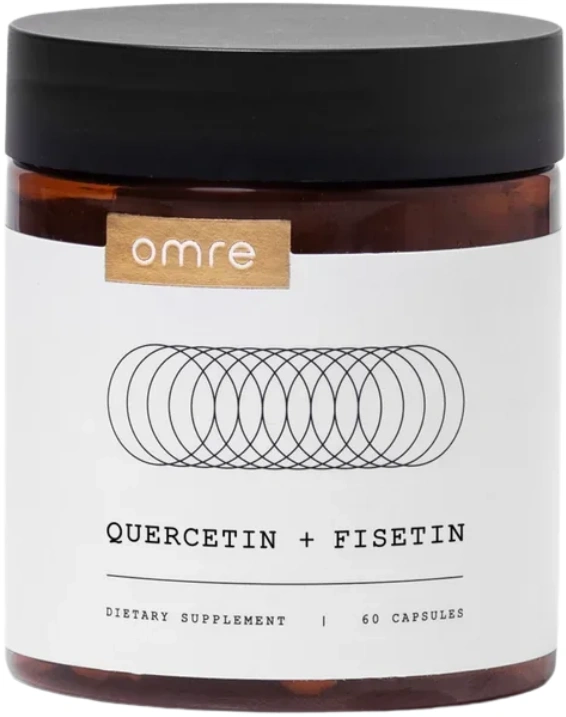 Our Omre Quercetin + Fisetin blend was created to support healthy inflammatory balance using well-studied plant compounds, without overstating claims or replacing medical care.
If you are exploring quercetin as part of a broader, thoughtful routine, you can learn more about how our formula fits into that approach.