


Are NAC and NAD the Same? Key Differences Explained
Updated on Mar 13, 2026


Medically reviewed by Dr Pedram Kordrostami, MD— Written by Dr. Dominic Gartry, MD
Updated on Mar 13, 2026
Table of contents
NAC and NAD are not the same. NAC is a supplement form of cysteine that helps the body make glutathione, while NAD is a coenzyme involved in cellular energy and repair. They may sound similar, but they do very different jobs in the body.
In simple terms, NAC is mostly used for antioxidant, liver, and respiratory support, while NAD is linked to cellular energy, metabolism, and healthy aging. If you are confused by the similar names, the main thing to know is that they are not interchangeable.
Key Takeaways:
-
NAC and NAD are not the same.
-
NAC mainly supports glutathione production, antioxidant defense, and liver and lung health.
-
NAD is a coenzyme involved in energy production, DNA repair, and cellular function.
-
They can sometimes be used together, but they serve different purposes.
Are NAC and NAD the Same?
-v1758861517230.webp)
No, NAC and NAD are not the same. NAC is a supplement form of cysteine that helps the body make glutathione, while NAD is a coenzyme involved in cellular energy and repair.
In simple terms, NAC is mostly used for antioxidant support, liver support, and respiratory health. NAD, on the other hand, helps cells produce energy and supports processes linked to repair and healthy aging. They may sound similar, but they do very different things in the body.
People often confuse NAC and NAD because their names look alike and both come up in supplement and longevity conversations. But they are not interchangeable.
NAC is mainly known for supporting glutathione and antioxidant defense, while NAD is central to how cells make and use energy.
How Do NAC and NAD Differ?
NAC and NAD differ in their chemical makeup, primary functions, and health benefits. NAC is an amino acid derivative that boosts antioxidant defenses and supports detoxification, while NAD is a coenzyme that supports energy production, DNA repair, and cellular health.
Here’s a side-by-side comparison to make it easy to see the differences:
|
Feature |
NAC |
NAD |
|
What it is |
A supplement form of cysteine, an amino acid |
A coenzyme found in all living cells |
|
Main role |
Helps the body make glutathione and supports antioxidant defense |
Helps cells produce energy and supports repair processes |
|
Best known for |
Liver support, antioxidant support, and respiratory health |
Cellular energy, DNA repair, and healthy aging support |
|
Common use |
Often used for glutathione support, liver health, and mucus support |
Often discussed for energy, brain health, and age-related cellular support |
|
How people usually take it |
Usually taken directly as an NAC supplement |
Usually supported through precursors like NMN or NR rather than direct NAD supplements |
|
Can it be taken directly? |
Yes, NAC is commonly taken directly as a supplement |
Sometimes, but oral NAD is less commonly used than NAD precursors like NMN or NR |
What is NAC (N-Acetyl Cysteine)?![]()
![]()

NAC is a supplement made from cysteine, an amino acid you can also get from foods like chicken, yogurt, and eggs. It works by replenishing glutathione, often called the body’s “master antioxidant.”
NAC’s most recognized role is in detox support. Hospitals use it to treat acetaminophen (Tylenol) overdose because it restores liver glutathione levels and prevents severe damage.
For everyday use, NAC is popular for its ability to support liver health, fight oxidative stress, and break down thick mucus in the lungs.
Beyond detox and respiratory benefits, NAC may also influence brain health. Research shows it can help regulate glutamate, a brain chemical linked to mood and focus.
This is why NAC is being studied for conditions like OCD, addiction, and depression.
What is NAD (Nicotinamide Adenine Dinucleotide)?

NAD is a coenzyme made from vitamin B3 (niacin) that is present in all living cells. Its primary job is to help mitochondria, the “powerhouses” of cells, convert food into energy. Without NAD, cells cannot produce the fuel they need to function.
NAD exists in two forms: NAD+ and NADH. NAD+ is especially important for DNA repair, energy production, and regulating genes that affect aging.
However, NAD levels naturally decline with age, leading to fatigue, cognitive changes, and a higher risk of age-related conditions.
Because direct NAD supplements are not well absorbed, many people use NAD precursors such as NMN (nicotinamide mononucleotide) or NR (nicotinamide riboside).
These compounds raise NAD+ levels in the body, supporting energy, brain clarity, and long-term vitality.
Potential Health Benefits of NAC
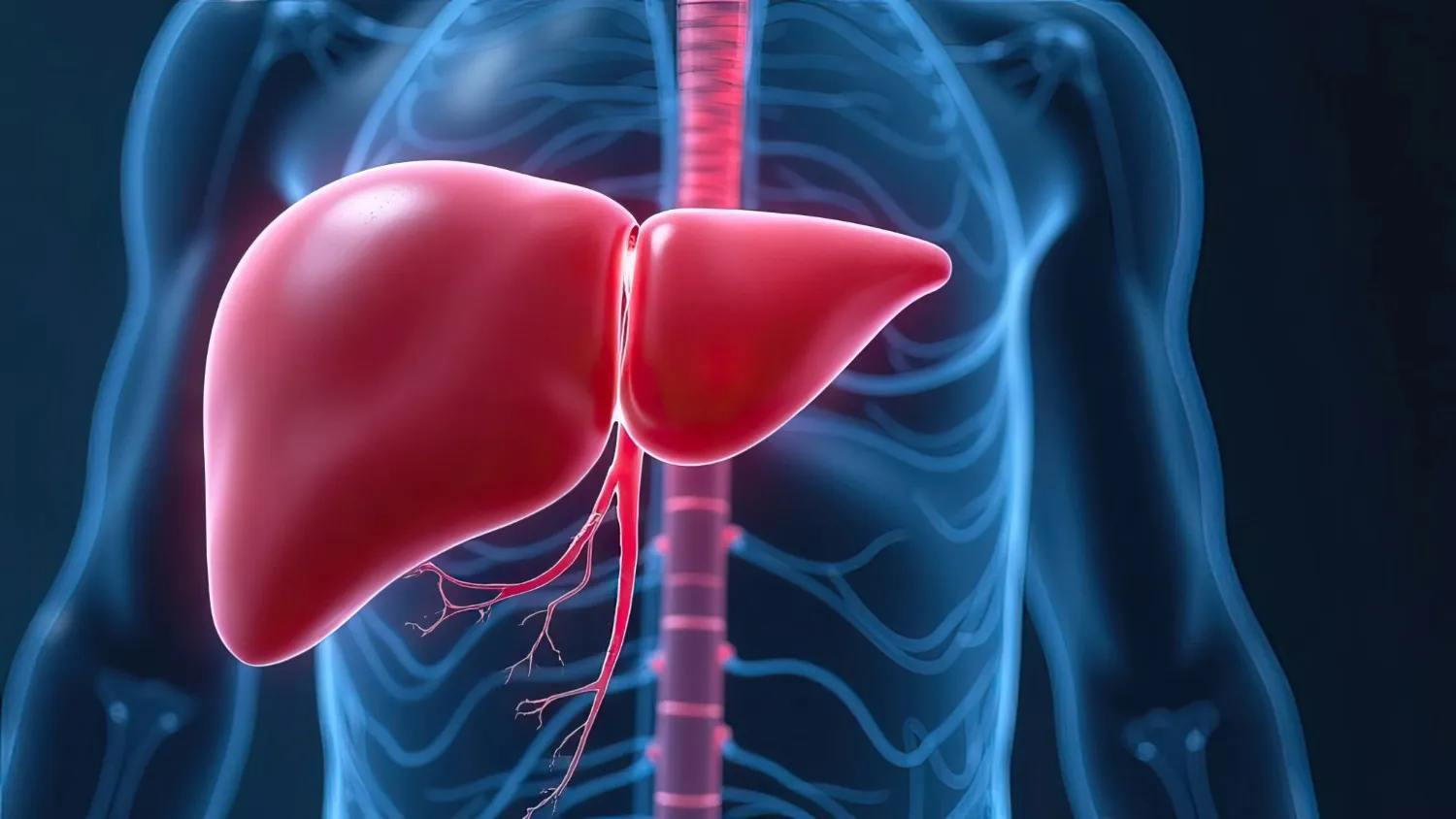
NAC is best known for helping the body make glutathione, one of its main antioxidants. Because of that, it is often discussed in research around oxidative stress, liver function, respiratory health, and some areas of brain health. The evidence varies by use case, and not every finding applies the same way to healthy adults taking it as a supplement.
-
Liver support: NAC is widely used in hospitals as part of treatment for acetaminophen overdose because it helps restore glutathione levels and support liver protection in that setting (1).
-
Respiratory health: Research suggests NAC may help thin mucus and support lung function in some people, especially in conditions such as chronic bronchitis and COPD (2).
-
Mental health: Some studies suggest NAC may help support mood and behavior in certain psychiatric or neurological conditions, possibly through its effects on glutamate balance and oxidative stress (3).
-
Antioxidant defense: NAC supplementation may help support antioxidant activity and reduce markers of oxidative stress and inflammation in some contexts (4).
-
Immune support: Because NAC supports glutathione production, it may also help support the body’s normal defense systems against oxidative stress and environmental exposures (5).
Potential Health Benefits of NAD

NAD is a coenzyme involved in how cells produce energy and carry out repair processes. Research interest in NAD has grown because NAD levels tend to decline with age, and scientists are studying whether supporting NAD through precursors may help with aspects of healthy aging and cellular function. Still, the strength of evidence can vary depending on the outcome and the type of study.
-
Energy production: NAD+ is required for mitochondrial energy production, which is why it is often discussed in relation to cellular energy and fatigue support (6).
-
Healthy aging support: Research has linked NAD+ to DNA repair and sirtuin activity, two pathways often studied in aging biology. Much of the stronger evidence in this area still comes from preclinical and animal research (7).
-
Brain health: Some studies suggest NAD+ precursors such as NMN and NR may support aspects of cognitive function and brain aging, though human evidence is still developing (8).
-
Metabolic health: Higher NAD+ availability has been associated with metabolic processes related to insulin sensitivity and energy balance, but results can vary across studies (9).
-
Cellular repair: NAD+ plays a role in DNA repair and mitochondrial function, which is why it is often studied for long-term cellular health (10).
Disclaimer: The potential benefits listed above are based on current research, but supplements can affect people differently. It is a good idea to speak with a healthcare professional before starting NAC, NAD precursors, or any new supplement.
Can You Take NAC and NAD Together?
Yes, NAC and NAD can be taken together. Since they work in different ways, NAC supports detoxification and antioxidant defense, and NAD drives energy and cellular repair, they complement each other rather than overlap.
Using both may be helpful for people exposed to high stress, toxins, or aging-related fatigue.
NAC can help the body process and clear toxins, while NAD precursors like NMN or NR keep energy and repair systems strong.
As always, it’s best to check with a healthcare professional before combining supplements, especially if you take medication or have a medical condition.
Should You Take NAC or NAD?
Your choice depends on your health goals. Both offer unique benefits, and in some cases, using them together provides broader support.
Opt for NAC if:
-
You want stronger liver support or detoxification.
-
You struggle with chronic respiratory issues like COPD, bronchitis, or sinus problems.
-
You are looking for research-backed support for mental health and mood regulation.
-
You want to improve antioxidant defenses and reduce oxidative stress.
Opt for NAD if:
-
You are focused on anti-aging, longevity, and cellular repair.
-
You want to increase daily energy and reduce fatigue.
-
You’re looking to support brain function, focus, and memory.
-
You want better metabolic health, including blood sugar and cholesterol balance.
Conclusion
NAC and NAD are easy to mix up at first, but they are not the same. NAC is mostly used for glutathione support, antioxidant defense, and liver and respiratory support, while NAD is involved in cellular energy and repair. The better choice depends on what you are actually trying to support.

If your focus is on antioxidant support and daily cellular defense, Omre Glycine + NAC may be a practical option. Each serving provides 1,000 mg of glycine and 500 mg of N acetyl L cysteine, giving you two ingredients that are often discussed together for glutathione support and healthy aging.
If your main goal is to support NAD levels for energy, focus, and healthy aging, Omre NMN + Resveratrol may be the better fit. It is designed for people who want to support cellular energy and long-term vitality as part of their daily routine.
FAQs
Are NAC and NAD the same thing?
No, NAC and NAD are not the same. NAC supports glutathione production and antioxidant defense, while NAD is involved in cellular energy and repair. They may sound alike, but they do different jobs in the body.
What is the difference between NAC and NAD?
NAC is mostly used for antioxidant, liver, and respiratory support. NAD is tied to cellular energy, metabolism, and repair. People also usually take them in different forms.
Can NAC raise NAD levels?
NAC is not generally used to raise NAD levels directly. It may support overall cellular health, but it works through a different pathway. For more direct NAD support, people usually look at precursors like NMN or NR.
Can you take NAC and NAD together?
Some people may take them together because they support different functions. NAC is often used for antioxidant support, while NAD support is usually linked to energy and healthy aging. It is still smart to check with a healthcare professional first.
Is NAC or NAD better for energy?
NAD is more directly linked to cellular energy production. NAC is not mainly used for energy, though it may support overall wellness in other ways. The better fit depends on your goal.
Is NAC or NAD better for healthy aging?
NAD is more often discussed for healthy aging because of its role in energy and repair. NAC is usually talked about more for antioxidant and glutathione support. They support different parts of the bigger picture.

About the medical reviewer
Dr Pedram Kordrostami, MD
Table of contents


