


Are NAC and NAD the Same? Key Differences Explained
Updated on May 24, 2026


Medically reviewed by Dr Pedram Kordrostami, MD— Written by Dr. Dominic Gartry, MD
Updated on May 24, 2026
Table of contents
- NAC vs NAD: Quick Comparison
- Are NAC and NAD the Same?
- What Is NAC?
- What Is NAD?
- What Is the Main Difference Between NAC and NAD?
- Does NAC Increase NAD Levels?
- Does NAD Increase Glutathione?
- Potential Benefits of NAC
- Potential Benefits of NAD Support
- Can You Take NAC and NAD Together?
- NAC vs NAD for Energy
- NAC vs NAD for Healthy Aging
- NAC vs NAD for Liver Support
- NAC vs NAD for Respiratory Support
- NAC vs NAD for Antioxidant Support
- Common Mistakes People Make With NAC and NAD
- Safety and Side Effects
- Final Words
- FAQs
NAC and NAD are not the same. NAC is a supplement form of the amino acid cysteine, and it helps the body make glutathione, one of its main antioxidants. NAD is a coenzyme found in cells, where it helps turn food into energy and supports repair-related processes.
The names look similar, so the confusion makes sense. But they do different jobs. NAC is mostly linked with antioxidant defense, liver support, and respiratory health. NAD is more connected with cellular energy, metabolism, DNA repair, and healthy aging research.
Key Takeaways:
-
NAC and NAD are different compounds with different roles in the body.
-
NAC helps the body make glutathione, which supports antioxidant defense. NAD helps cells produce energy and plays a role in repair-related processes.
-
NAC is commonly taken directly as a supplement. NAD is commonly supported through precursors like NMN or NR.
-
The better option depends on your goal, such as antioxidant support, respiratory support, energy metabolism, or healthy aging support.
NAC vs NAD: Quick Comparison
| Feature | NAC | NAD |
|---|---|---|
| Full name | N-acetyl cysteine | Nicotinamide adenine dinucleotide |
| What it is | A supplement form of cysteine | A coenzyme found in cells |
| Main role | Helps make glutathione | Helps cells make energy |
| Best known for | Antioxidant, liver, and respiratory support | Cellular energy, metabolism, and repair |
| Common supplement form | NAC capsules or powder | NMN, NR, or NAD products |
| Main research area | Glutathione, oxidative stress, lung mucus, liver support | NAD+ levels, mitochondria, DNA repair, aging biology |
| Same thing? | No | No |
Are NAC and NAD the Same?
No, NAC and NAD are not the same. NAC helps the body produce glutathione, while NAD helps cells make and use energy.
A simple way to think about it: NAC supports the body’s antioxidant system. NAD supports the body’s energy system.
These systems do overlap in the body, since antioxidant defense, energy production, and cellular repair are all connected. Still, they are not interchangeable. Taking NAC is not the same as taking a NAD precursor, and supporting NAD is not the same as taking NAC.
What Is NAC?

NAC stands for N-acetyl cysteine. It is a supplement form of cysteine, an amino acid found in protein-rich foods like chicken, eggs, yogurt, and legumes.
The body uses cysteine to help make glutathione. Glutathione is one of the body’s key antioxidants, which means it helps protect cells from oxidative stress.
NAC also has a well-known medical use. In hospital settings, NAC is used as part of treatment for acetaminophen overdose because it helps restore glutathione levels in the liver (1).
That medical use does not mean every person needs NAC daily, but it does explain why researchers pay close attention to it.
For everyday supplement use, people commonly look at NAC for:
-
Antioxidant support
-
Liver support
-
Respiratory support
-
Mucus thinning
-
Glutathione support
-
Oxidative stress support
Research suggests NAC may help thin mucus and support lung function in some people, including those with chronic bronchitis or COPD (2).
It has also been studied in some mental health and neurological areas, partly because it may influence glutamate balance and oxidative stress (3).
That said, NAC should not be framed as a cure for mood issues, lung disease, or liver problems. The research depends heavily on the condition, dose, and person.
What Is NAD?

NAD stands for nicotinamide adenine dinucleotide. It is a coenzyme found in all living cells.
Your cells use NAD to help convert food into usable energy. It also plays a role in DNA repair, mitochondrial function, and other cellular processes linked with aging research.
NAD exists in two main forms:
-
NAD+, the oxidized form
-
NADH, the reduced form
NAD+ gets more attention in healthy aging research because it is involved in energy metabolism, sirtuin activity, and repair-related pathways (4).
Research suggests NAD+ levels may decline with age, which is one reason NMN and NR have become popular. These compounds are called NAD precursors because the body can use them to make NAD+.
Direct oral NAD supplements exist, but many people choose NMN or NR because they are designed to support NAD+ production through precursor pathways.
What Is the Main Difference Between NAC and NAD?
The main difference is their job in the body. NAC supports glutathione production and antioxidant defense. NAD supports cellular energy and repair-related processes.
Here is the short version:
-
NAC helps protect cells from oxidative stress
-
NAD helps cells produce energy and carry out repair functions
That difference matters because people use them for different reasons. Someone looking for respiratory mucus support may care more about NAC. Someone interested in NAD+ support, cellular energy, and healthy aging may look more toward NMN, NR, or a NAD-focused formula.
Does NAC Increase NAD Levels?
NAC is not generally used to raise NAD+ levels directly. It may support cellular health in a broader way by helping the body maintain glutathione and antioxidant defenses, but it is not a direct NAD precursor.
For direct NAD+ support, people commonly look at:
-
NMN
-
NR
-
NAD-focused formulas
-
Healthy vitamin B3 intake
NAC and NAD may still belong in the same “cellular health” conversation, but they work through different pathways.
Does NAD Increase Glutathione?
NAD is not mainly used to raise glutathione. Glutathione support is more closely linked with cysteine availability, which is where NAC comes in.
The body’s antioxidant network is connected, so energy metabolism and oxidative stress can influence each other. Still, if the goal is glutathione support, NAC is the more direct option.
Potential Benefits of NAC
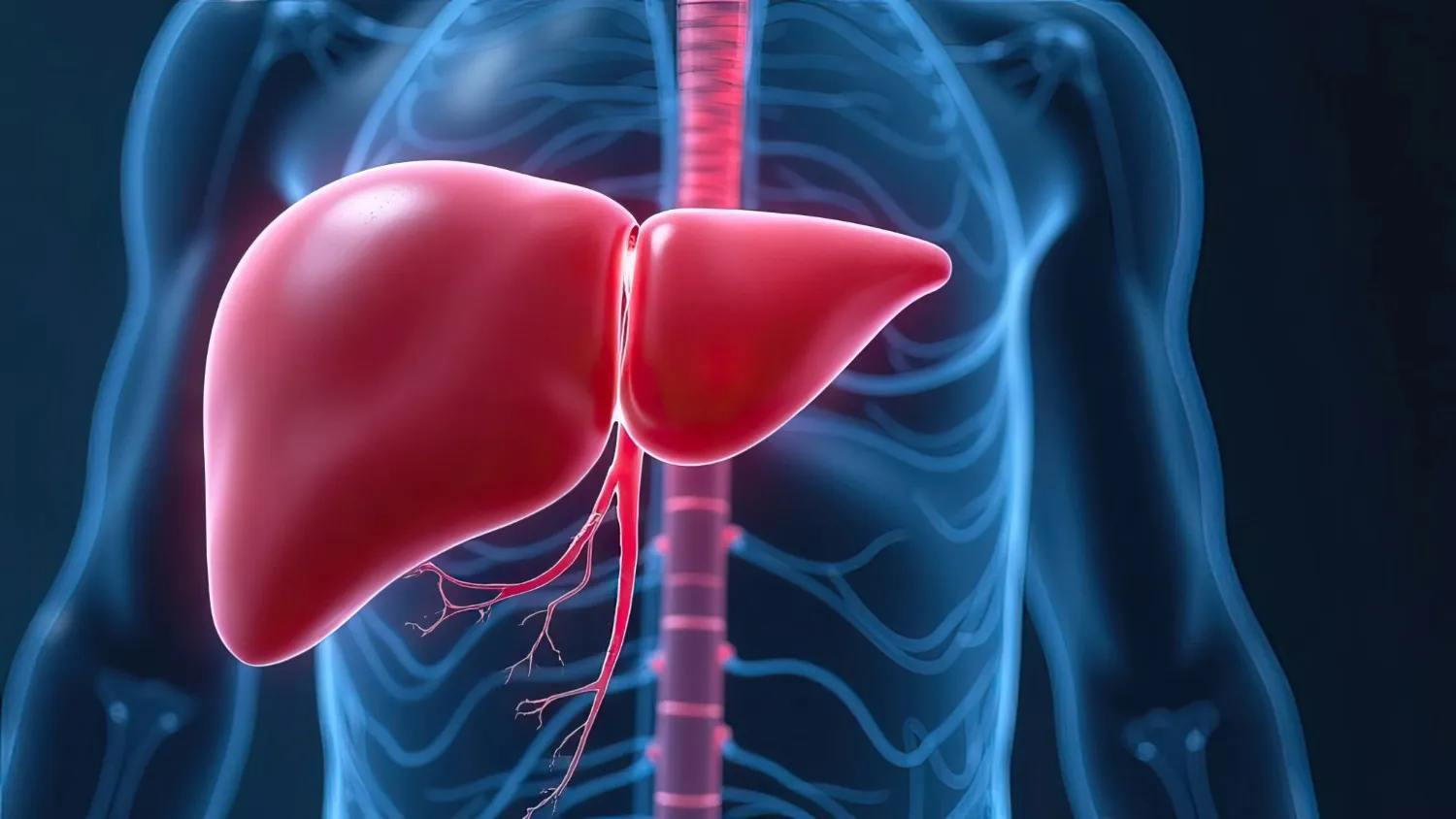
NAC is best known for its role in glutathione production. Because glutathione helps manage oxidative stress, NAC has been studied in several areas of health.
Liver Support
NAC has a strong medical role in acetaminophen overdose treatment because it helps restore liver glutathione levels.
That does not mean NAC “detoxes” the liver in a broad, dramatic way. A better way to say it is this: NAC can support glutathione production, and glutathione is important for normal liver defense against oxidative stress.
Respiratory Support
Research suggests NAC may help reduce mucus thickness and support respiratory comfort in some people, especially in chronic bronchitis or COPD settings.
This is one of NAC’s more practical use cases. People do not take it because it sounds trendy. They take it because it may help make thick mucus easier to clear.
Antioxidant Support
NAC may support antioxidant activity by helping the body make glutathione.
Oxidative stress is not always bad. The body uses some oxidative stress for normal signaling. The issue is balance. NAC is studied because it may support the body’s ability to manage that balance.
Brain and Mood Research
Some studies have looked at NAC in areas such as mood, compulsive behavior, addiction, and neurological health.
This does not make NAC a mental health treatment by itself. The safer wording is that NAC is being studied for its effects on glutamate balance, oxidative stress, and brain-related pathways.
Immune and Cellular Defense
Because NAC supports glutathione, it may also support normal immune and cellular defense systems (5).
That does not mean it prevents illness. It means NAC may help support one part of the body’s normal defense system.
Potential Benefits of NAD Support

NAD is involved in cellular energy, mitochondrial function, and repair-related pathways. Research around NAD+ has grown because scientists are studying how NAD+ changes with age and how NAD precursors may support healthy aging.
Cellular Energy
NAD+ is needed for mitochondrial energy production [6]. Mitochondria help turn food into ATP, the energy currency cells use.
That is why NAD support is commonly discussed in relation to energy metabolism. It is not the same as a stimulant effect. It is more about cellular energy processes.
Healthy Aging Research
NAD+ is connected with DNA repair and sirtuin activity, two areas studied in aging biology (6).
This does not mean NAD precursors reverse aging. That is too strong. A more accurate statement is that NAD+ supports pathways involved in cellular maintenance, and researchers are studying how this may relate to healthy aging.
Brain Health
Some research suggests NAD+ precursors such as NMN and NR may support areas related to brain aging and cognitive function, but human evidence is still developing (7).
Brain health is complex. Sleep, exercise, diet, blood sugar, stress, and circulation all matter. NAD support may be one piece of the puzzle, not the whole puzzle.
Metabolic Health
Higher NAD+ availability has been associated with processes related to insulin sensitivity and energy balance (8).
Results can vary across studies, so this should not be framed as a guaranteed blood sugar benefit. It is better to say NAD+ is being studied for metabolic health because of its role in energy metabolism.
Cellular Repair
NAD+ plays a role in DNA repair and mitochondrial function (9). These pathways matter because cells face damage and stress every day.
Again, that does not mean more NAD is always better. It means NAD+ is part of normal cellular repair machinery.
NAC vs NAD: Which One Should You Take?

The better option depends on your goal. Choose NAC if your main focus is antioxidant defense, glutathione support, liver support, or respiratory support. Choose NAD support if your main focus is cellular energy, NAD+ levels, healthy aging pathways, or metabolic support.
Some people may use both, but that does not mean everyone should. Supplements can interact with medications and medical conditions, so it is smart to check with a healthcare professional first.
Choose NAC If You Want Support For
-
Glutathione production
-
Antioxidant defense
-
Liver health support
-
Thick mucus or respiratory comfort
-
Oxidative stress support
-
General cellular defense
NAC may be a better fit for someone who wants direct support for the body’s glutathione system.
Choose NAD Support If You Want Support For
-
NAD+ production
-
Cellular energy
-
Mitochondrial function
-
Healthy aging pathways
-
Metabolic health research areas
-
Long-term cellular maintenance
For NAD support, people commonly use precursors like NMN or NR rather than relying only on direct NAD supplements.
Can You Take NAC and NAD Together?
Some people take NAC and NAD precursors together because they support different systems. NAC supports glutathione and antioxidant defense. NAD supports cellular energy and repair-related processes.
That combination may make sense for people who want broader cellular health support. But it should not be presented as a necessary stack for everyone.
Speak with a healthcare professional before combining supplements if you:
-
Take medication
-
Have a liver, kidney, lung, heart, or blood sugar condition
-
Are pregnant or breastfeeding
-
Have surgery planned
-
Use blood thinners
-
Take multiple daily supplements
The goal is to match the supplement to your health needs, not to take more products than necessary.
NAC vs NAD for Energy
NAD is more directly linked to cellular energy than NAC. NAD+ helps mitochondria convert nutrients into usable energy.
NAC is not mainly an energy supplement. It may support wellness by helping the body make glutathione and manage oxidative stress, but that is a different pathway.
So, if the main question is energy metabolism, NAD support fits the intent better.
NAC vs NAD for Healthy Aging
NAD support is more commonly discussed in healthy aging research because NAD+ is involved in DNA repair, mitochondrial function, and sirtuin activity.
NAC can still matter for healthy aging because oxidative stress and glutathione are part of cellular health. But NAC and NAD support different sides of the conversation.
A simple way to say it:
-
NAC supports antioxidant defense.
-
NAD supports cellular energy and repair pathways.
-
Both may have a place, but they are not the same tool.
NAC vs NAD for Liver Support
NAC has the clearer connection to liver support because of its role in glutathione production and its medical use in acetaminophen overdose treatment.
NAD also plays a role in metabolism, but it is not the go-to supplement for liver glutathione support.
For liver-related concerns, do not self-treat. Talk with a healthcare professional, especially if you use alcohol heavily, take medications, or have abnormal liver markers.
NAC vs NAD for Respiratory Support
NAC has the clearer respiratory use case. Research suggests NAC may help thin mucus in some people, especially in chronic bronchitis or COPD settings. NAD is not commonly used for mucus support. It is more tied to energy metabolism and cellular repair.
NAC vs NAD for Antioxidant Support
NAC is the more direct antioxidant-support option because it helps the body make glutathione. NAD is not mainly an antioxidant supplement. It supports energy metabolism and repair-related pathways, which may indirectly relate to oxidative stress, but that is not the same as glutathione support.
Common Mistakes People Make With NAC and NAD
A common mistake is treating NAC, NAD, NMN, and NR as interchangeable. They are related to cellular health, but they are not the same.
Here are a few simple corrections:
-
NAC is not NAD.
-
NAD is not NAC.
-
NMN and NR are NAD precursors.
-
NAC helps support glutathione production.
-
NAD+ is involved in cellular energy and repair.
-
Taking NAC does not directly replace taking an NAD precursor.
-
Taking NMN does not directly replace taking NAC.
That distinction matters because the best choice depends on your goal. NAC is more directly tied to glutathione and antioxidant support, while NMN and NR are more directly tied to NAD+ support.
Safety and Side Effects
NAC and NAD-support supplements can affect people differently. NAC may cause mild digestive discomfort in some people. It may not be suitable for everyone, especially people taking certain medications or managing specific health conditions.
NAD precursors like NMN or NR are also being studied, but long-term human data is still developing. People with medical conditions or those taking medications should speak with a healthcare professional before starting them.
Extra caution makes sense if you:
-
Take blood thinners
-
Take diabetes medication
-
Take blood pressure medication
-
Have asthma or chronic lung disease
-
Have liver or kidney disease
-
Are pregnant or breastfeeding
-
Have surgery planned
-
Take multiple supplements daily
Supplements should support your routine, not make it confusing or risky.
Final Words
NAC and NAD sound similar, but they are not the same. NAC helps the body make glutathione, which supports antioxidant defense. NAD helps cells produce energy and supports repair-related processes.
If you want glutathione, antioxidant, liver, or respiratory support, NAC is the more direct fit. If you want NAD+ support for cellular energy and healthy aging pathways, look toward NAD precursors like NMN or NR.
The best choice depends on the job you want the supplement to do. Both can have a place in a supplement routine, but they support different needs.

At Omre, we made that distinction clear through separate formulas. Glycine + NAC supports glutathione-related antioxidant defense, while NMN + Resveratrol supports NAD+ and healthy aging pathways. Choose based on your goal, keep the routine simple, and check with a healthcare professional if you take medication or have a medical condition.
FAQs
Are NAC and NAD the same thing?
No, NAC and NAD are not the same. NAC helps the body make glutathione, while NAD helps cells produce energy and supports repair-related processes.
What is the main difference between NAC and NAD?
The main difference is their role. NAC supports antioxidant defense through glutathione. NAD supports cellular energy, metabolism, and repair-related pathways.
Can NAC increase NAD levels?
NAC is not a direct NAD precursor. It may support cellular health through glutathione and antioxidant pathways, but NMN and NR are more direct options for NAD+ support.
Is NAC better than NAD?
NAC is better for glutathione and antioxidant support. NAD support is better suited for cellular energy and healthy aging pathways. The better choice depends on your goal.
Can I take NAC and NAD together?
Some people may take NAC and a NAD precursor together because they support different pathways. Check with a healthcare professional first, especially if you take medication or have a health condition.

About the medical reviewer
Dr Pedram Kordrostami, MD
Table of contents
- NAC vs NAD: Quick Comparison
- Are NAC and NAD the Same?
- What Is NAC?
- What Is NAD?
- What Is the Main Difference Between NAC and NAD?
- Does NAC Increase NAD Levels?
- Does NAD Increase Glutathione?
- Potential Benefits of NAC
- Potential Benefits of NAD Support
- Can You Take NAC and NAD Together?
- NAC vs NAD for Energy
- NAC vs NAD for Healthy Aging
- NAC vs NAD for Liver Support
- NAC vs NAD for Respiratory Support
- NAC vs NAD for Antioxidant Support
- Common Mistakes People Make With NAC and NAD
- Safety and Side Effects
- Final Words
- FAQs


