


Resveratrol Dosage for Anti-Aging: What You Need to Know Before You Start!
Updated on Mar 2, 2026


Medically reviewed by Dr Pedram Kordrostami, MD— Written by Dr. Dominic Gartry, MD
Updated on Mar 2, 2026
Table of contents
Curious about the role resveratrol plays in anti-aging? You're not alone.
Known for its antioxidant powers, this plant-based compound has captured attention for its potential to slow the hands of time.
But here’s the kicker—taking the right amount might be the difference between reaping its benefits or just passing the hype.
Stick around as we explore how resveratrol works, its potential for anti-aging, and how to figure out the right dose for your needs.
What Is Resveratrol?
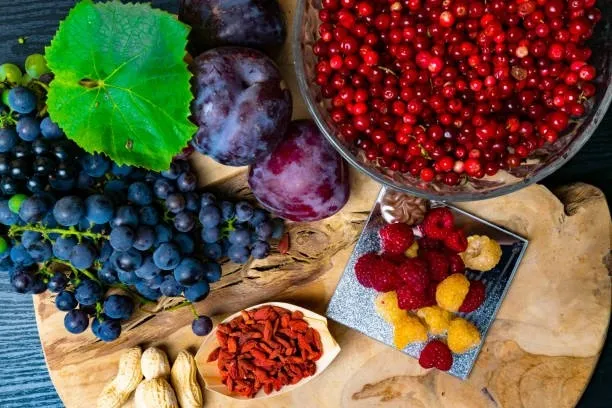 Resveratrol is a natural compound found in red grape skins, berries, and some nuts, celebrated for its potential to fight aging and protect cells from damage.
This compound belongs to a group of polyphenols called stilbenoids and acts as a defense mechanism in plants, helping them survive stressors like UV radiation and fungal attacks.
For us, resveratrol does something similar—its antioxidant properties help neutralize harmful free radicals that contribute to aging and chronic diseases.
Resveratrol can be consumed through foods like red wine and blueberries or as supplements offering higher doses. While it’s no magic potion, it’s become a popular choice for those looking to support healthy aging naturally.
How Does Resveratrol Work for Anti-Aging?
Resveratrol may support anti-aging by protecting cells from oxidative stress, reducing inflammation, and activating longevity-related proteins like sirtuins.
At its core, resveratrol interacts with your body’s natural defenses. Studies suggest it may activate sirtuins—proteins linked to DNA repair, cellular health, and longevity (1).
Resveratrol might also help combat oxidative stress—a major contributor to aging.
Oxidative stress occurs when free radicals outpace the body’s ability to neutralize them, causing wear and tear on cells. Studies show that resveratrol’s antioxidant properties can help keep this balance in check (2).
Additionally, its anti-inflammatory effects may help prevent chronic conditions like heart disease or arthritis, both of which are linked to aging (3). One study even hinted at resveratrol’s ability to mimic calorie restriction, which is tied to longer lifespans in some animal studies (4).
What is the Best Resveratrol Dosage for Anti-Aging?
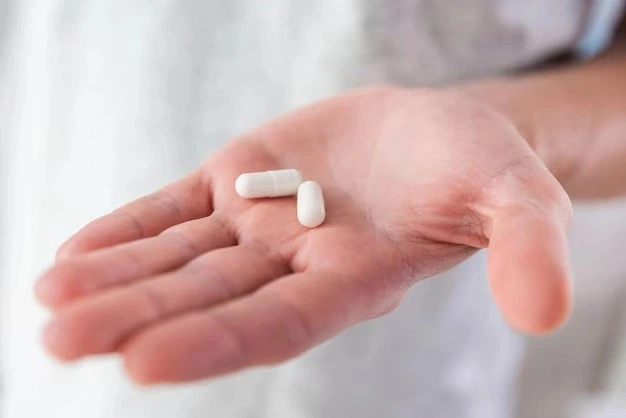
Experts suggest starting with a resveratrol dosage of 150–500 mg daily for anti-aging benefits. This range is considered safe and effective for most individuals, with minimal risk of side effects.
Studies have shown that doses up to 5 grams (5,000 mg) daily are technically safe, but higher amounts—especially above 2.5 grams—can lead to issues like nausea or abdominal discomfort (5).
Research also indicates that consistent doses in the 250–500 mg range can help promote antioxidant activity and support cellular health, which are key components of slowing the aging process (6).
Potential Side Effects and Risks of Resveratrol
Resveratrol is generally safe and well-tolerated when taken in the recommended dosage range. However, like any supplement, it’s not completely risk-free, especially at higher doses.
If you consume more than 2.5 grams per day, you might experience some uncomfortable side effects (7), such as:
- Gastrointestinal discomfort: Symptoms like nausea, vomiting, diarrhea, or abdominal pain.
- Increased bleeding risk: Especially if you’re taking blood thinners or have a bleeding disorder.
- Potential liver or kidney issues: Rare but possible with extremely high doses.
Potential Benefits of Resveratrol Supplements
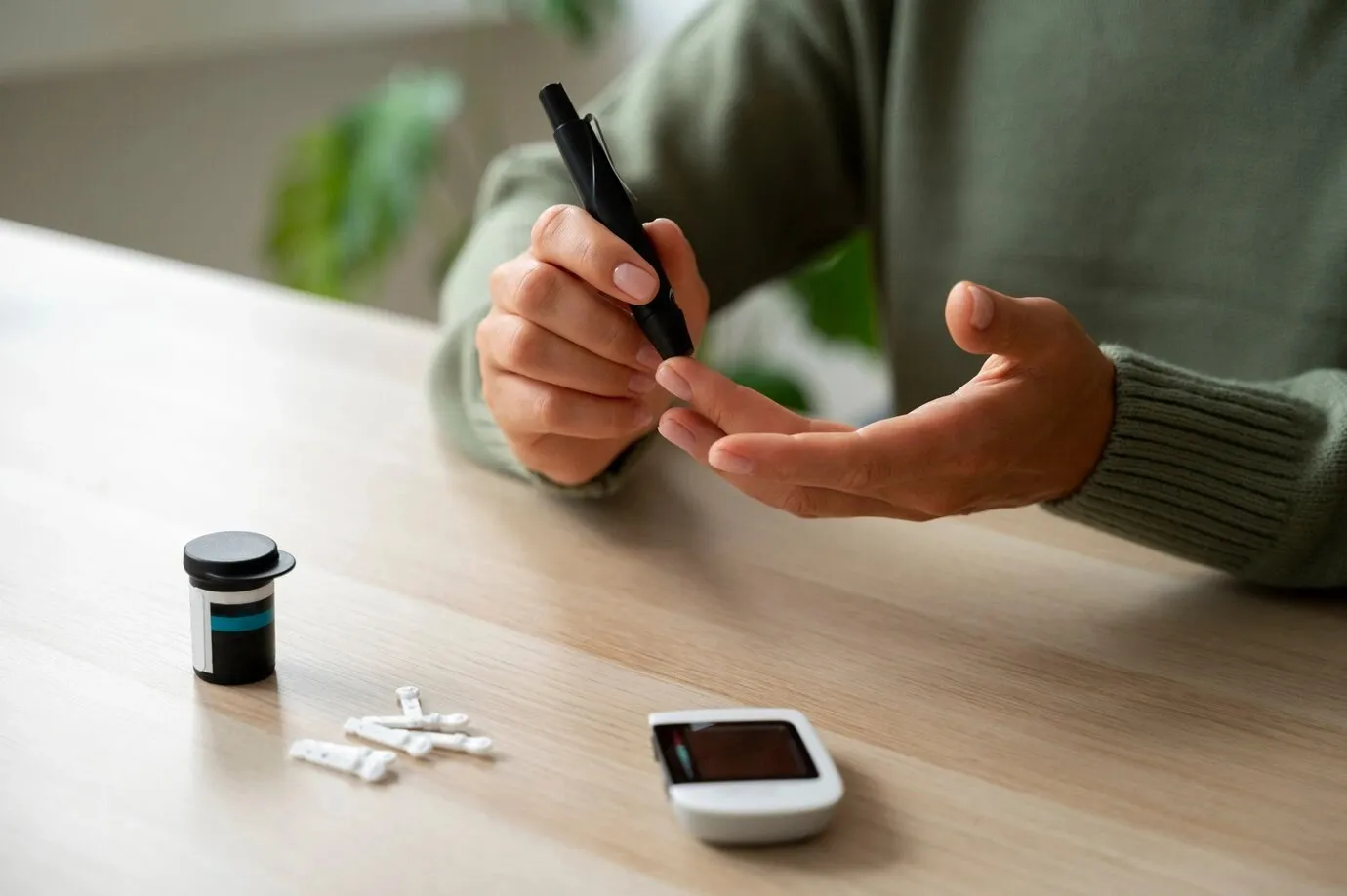
Resveratrol supplements offer a variety of potential health benefits, thanks to their antioxidant and anti-inflammatory properties:
- Cardiovascular Health: Studies have found that resveratrol might help reduce blood pressure and support healthy blood flow (8).
- Cognitive Function: Research suggests resveratrol could protect cognitive health in older adults (9).
- Metabolic Function: Resveratrol may aid in regulating blood sugar levels and improving insulin sensitivity (10).
- Joint Pain: A daily dose of 500 mg has been linked to reduced joint pain in osteoarthritis (11).
- Immune System Support: Low doses of resveratrol have shown promise in supporting immune health (12).
Best Ways to Take Resveratrol for Anti-Aging
You can find resveratrol naturally in foods like red grapes and blueberries, but supplements deliver measured doses ensuring you get an effective amount. When selecting a supplement, keep these tips in mind:
- Look for purity levels of 98% or higher.
- Check for transparent ingredient lists with no fillers.
- Opt for supplements with bioavailability enhancers like Bioperine®.
- Ensure the dosage matches common research (250–500 mg).
For those seeking a high-quality option, Omre NMN + Resveratrol stands out. This supplement offers 500 mg of NMN and 500 mg of Resveratrol per serving, combined with Bioperine® for enhanced absorption.
Conclusion
Resveratrol holds significant promise for supporting cardiovascular health, cognitive function, and anti-aging goals. Ready to explore a premium option? Omre NMN + Resveratrol offers unmatched quality to help you stay on top of your health goals.
-v1738361410995.webp)
Check availability today and take the next step toward vibrant health.
FAQs
Can I get enough resveratrol from red wine alone?
Not really. Red wine typically contains only 1–2 mg per glass. You would need to drink an impractical amount to reach research-backed levels.
Is it safe to take resveratrol long-term?
Yes, it is generally safe for long-term use within recommended doses. Always consult a provider for personalized advice.
What’s the best time to take resveratrol?
Morning is often recommended to align with natural NAD+ cycles. Taking it with a fat-rich snack can also improve absorption.
Are there side effects?
It is well-tolerated, though extremely high doses (over 2.5g) may cause GI discomfort or bleeding risks.
Should I combine resveratrol with other supplements?
Combining it with NMN can amplify effects by boosting NAD+ levels and supporting cellular health simultaneously.

About the medical reviewer
Dr Pedram Kordrostami, MD
Table of contents


