




Table of Contents
NAD+ nasal spray is a delivery method designed to apply nicotinamide adenine dinucleotide (NAD+) directly through the nasal lining, where it may enter circulation more quickly than oral forms.
As of 2025, research is still limited, and most evidence comes from early studies on intranasal absorption rather than NAD+ specifically.
The research is still early, yet interest keeps growing. This article explains what we know so far in a clear and balanced way.
Key Takeaways:
-
NAD+ nasal spray is simple to use, but there is not enough clinical research to confirm how well it works in humans.
-
Absorption through the nose may occur, yet the exact amount and its impact on NAD+ levels are still uncertain.
-
Reported benefits mostly come from personal experiences rather than controlled scientific studies.
-
Oral NAD+ precursors such as NMN and NR currently have stronger research support than nasal spray options.
Disclaimer: This article is for educational purposes only and is not medical advice. Speak with a qualified healthcare professional before using any supplement or therapy.

NMN + RESVERATROL
Cellular NAD+ booster with ultra‑pure NMN and Resveratrol, at research‑backed doses.*
What NAD+ Is and Why People Care About It
-v1765397670507.webp) NAD+ is a natural molecule found in every cell. Our bodies use it to create energy, repair damage, and keep many processes running smoothly. As we grow older, NAD+ levels drop (1).
NAD+ is a natural molecule found in every cell. Our bodies use it to create energy, repair damage, and keep many processes running smoothly. As we grow older, NAD+ levels drop (1).
This change is linked with lower energy, slower recovery, and other effects that come with aging. This is why NAD+ support has become such a popular topic.
Many people look at NAD+ because of how widely it is involved in important cellular processes.
Some examples include:
Helping the body create energy.
Supporting cell repair.
Helping with stress response.
Supporting healthy brain and metabolic function.
Research also shows NAD+ levels naturally fall with age. This has encouraged people to explore supplements or therapies that might support the body’s own production.
It has also led to different delivery methods, such as oral supplements, IV therapy, injections, and now nasal spray.
There is also growing interest in quicker delivery routes. Some people look for options that avoid the digestive system and may feel more direct. This is where NAD+ nasal spray enters the conversation.
How NAD+ Nasal Spray Works in the Body
-v1765396873916.webp) NAD+ nasal spray is designed to travel through the soft tissue inside the nose. This area has a rich blood supply, which helps many substances enter the bloodstream faster than they would through digestion.
NAD+ nasal spray is designed to travel through the soft tissue inside the nose. This area has a rich blood supply, which helps many substances enter the bloodstream faster than they would through digestion.
When someone uses the spray, the fine mist coats the nasal lining. The idea is that the NAD+ molecules move across this lining and enter circulation.
This allows the spray to be used at home without needles, which makes it appealing for people who want a simple daily routine.
Even with this approach, absorption can vary from person to person. Nasal structure, mucus levels, and congestion can change how well the spray works for an individual.
What Research Says About NAD+ Nasal Spray
The honest truth is that clinical research on NAD+ nasal spray in humans is still very limited. There are no large human trials confirming how well NAD+ is absorbed through the nose or how much it raises NAD+ levels in the body.
Most of the interest comes from early studies on intranasal delivery in general, not on NAD+ nasal spray itself.
Some animal studies and small laboratory models suggest that intranasal delivery may help certain molecules move into the bloodstream or reach nearby tissues (2). These studies are interesting, yet they do not prove how NAD+ behaves in human nasal delivery.
A few companies share user reports about energy and mental clarity, but these experiences are personal and not clinical evidence. They do not show whether NAD+ levels rise or whether the spray affects long-term cellular function.
One more point to keep in mind is the size of NAD+ molecules. Some research shows NAD+ may be too large to pass directly into cells through certain delivery methods (3).
More studies are needed to understand how this applies to nasal sprays and whether the body can use the NAD+ that enters through this route.
Right now, nasal spray remains a convenient and non-invasive option, but science has not confirmed its effectiveness. Anyone considering it should understand that it is still an early area of research with many unanswered questions.
NMN + RESVERATROL
Cellular NAD+ booster with ultra‑pure NMN and Resveratrol, at research‑backed doses.*
Benefits People Look For
Many people try NAD+ nasal spray because they want something simple and quick that fits easily into daily life. While experiences vary, users often hope for a few common benefits.
Some examples include:
A convenient way to support daily energy.
A needle-free option compared to IV or injections.
A method that feels fast-acting for some individuals.
A way to support focus and general well-being.
A simple option to carry while traveling.
Possible Downsides and Limitations
-v1765397520123.webp) Even though a nasal spray feels easy to use, it also comes with limits that are important to understand. These points help set clear expectations.
Even though a nasal spray feels easy to use, it also comes with limits that are important to understand. These points help set clear expectations.
Some common considerations include:
A lack of strong clinical studies in humans.
Absorption can vary from person to person.
Possible nasal irritation for people with sensitive sinuses.
Lower dosing range compared to IV therapy.
Many unanswered questions about long-term use and safety.
How NAD+ Nasal Spray Compares to Other Delivery Methods
Different delivery methods offer different strengths. Nasal spray stands out for convenience, while oral supplements and IV therapy have more established research behind them. Here is how they compare in simple terms.
Nasal Spray vs Oral Supplements
Oral supplements are the most studied form of NAD+ support, mainly through precursors like NMN and NR. Research in humans has shown that these precursors can raise NAD+ levels in blood markers, although results vary by study (4).
This gives oral supplements a stronger foundation than nasal sprays at the moment.
Nasal spray is intended to offer quicker absorption by bypassing digestion. Yet research on this specific form is still early.
There are no large clinical trials showing how much NAD+ the body absorbs from nasal delivery, or how long those levels stay raised.
Because oral supplements have more published data, many people feel more confident starting with them. Nasal spray remains an interesting option, but it still needs stronger human studies before it can be compared on the same level.
Nasal Spray vs IV Therapy
IV therapy delivers NAD+ directly into the bloodstream through a drip. It is often used in clinics and wellness centers. Some people like IV therapy because it feels strong and immediate during the session.
Yet some studies note that NAD+ molecules may be too large to enter cells directly through IV infusion, which raises questions about how the body uses them.
Nasal spray offers a simpler, at-home alternative. It avoids the long sessions and higher cost of IV therapy. Even so, IV therapy has been used in supervised settings for much longer, while nasal spray still lacks the same level of clinical observation.
Both methods would benefit from more research that explains how they change NAD+ levels in human tissues.
Nasal Spray vs Sublingual or Capsules
Sublingual NAD+ products dissolve under the tongue. This method aims to absorb some of the compound through the mouth’s thin tissue before it reaches the digestive system.
Capsules, on the other hand, travel through normal digestion and rely on enzymes and pathways to support NAD+ inside the body.
Both sublingual and capsule forms have more published studies, especially when they use precursors such as NMN or NR. Several human trials show that these precursors can raise NAD+ markers. Because of this, many people choose them as a starting point.
Nasal spray tries to offer a quicker route, but at this time, the scientific evidence behind it is far smaller. Until more human studies come out, sublingual and capsule forms remain the more research-supported choice for most individuals.
Does NAD+ Nasal Spray Really Work?
NAD+ nasal spray has not been proven in large human studies, so its effectiveness is still uncertain. Early interest is based on how intranasal delivery works in general, not on strong clinical data showing that NAD+ levels rise after using a nasal spray.
Right now, science has not confirmed how much NAD+ is absorbed through the nose or how the body uses it afterward.
Most of the claims about nasal spray come from personal experiences or early lab findings that do not reflect real human outcomes.
Researchers still need to study how much NAD+ enters the bloodstream, whether it stays stable inside the nasal environment, and how well the body can use it after absorption.
Without this data, it is hard to say how reliable this method is.
For now, nasal spray remains an experimental approach. It may offer convenience, yet the lack of clinical research means users should keep expectations realistic until more studies are published.
Final Words
NAD+ nasal spray is an interesting idea because it offers a simple and needle-free way to support daily wellbeing. It is easy to use, portable, and feels quick for some people. At the same time, research on this method is still very limited.
We do not have enough clinical data to confirm how well it absorbs, how much it raises NAD+ levels, or how the body responds to it over time.
Supplements such as NMN and NR have far stronger scientific support. Multiple human studies show that these precursors can raise NAD+ markers, which makes them a more reliable choice for anyone looking for steady and research-aligned support.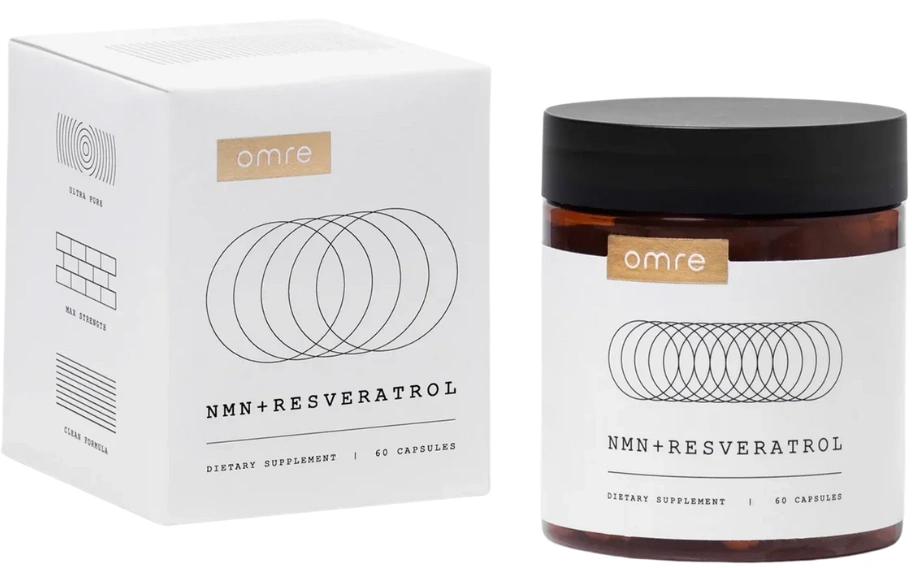 If you want something easy to take each day, Omre NMN + Resveratrol offers a simple formula, clean testing, and a daily approach that fits well into long-term habits.
It is a helpful option for people who want a trusted supplement with clear dosing and strong research behind its ingredients.